What Is the Difference Between Core Sleep and Deep Sleep?
Key Takeaways
Understanding the distinction between core sleep and deep sleep can help you optimize your rest for better health and daily performance.
- Core sleep encompasses your most restorative phases - including both deep sleep and REM sleep, making up 35-45% of your total sleep time and providing the foundation for daily functioning.
- Deep sleep is a specific stage within core sleep - representing 20-25% of total sleep where your body performs intensive physical repairs, releases growth hormones, and clears brain toxins.
- Sleep consistency trumps duration - maintaining regular bedtimes and wake times proves more beneficial than simply logging more hours, with consistent sleepers showing 20-48% lower mortality risk.
- Both stages decline with age but remain essential - deep sleep decreases by 1.7% per decade, while core sleep requirements stay relatively stable, making sleep optimization increasingly important as you age.
- Quality sleep environment and habits maximize both stages - keeping your bedroom cool (60-67°F), dark, and quiet while limiting caffeine and alcohol naturally enhances your body's ability to cycle through these restorative phases.
The key insight: Rather than obsessing over individual sleep stages, focus on creating consistent sleep habits that allow your body to naturally progress through its restorative cycles for optimal health and performance.
Introduction
Have you ever slept for eight hours but still woke up feeling drained? You're not alone in this frustrating experience. The quality of your sleep matters just as much as the quantity, and understanding the difference between core sleep and deep sleep can help explain why some nights leave you refreshed while others leave you reaching for that third cup of coffee.
Here's what might surprise you — deep sleep makes up about 25% of your total sleep time, while core sleep accounts for roughly 50%. Each stage serves a unique purpose in your body's recovery process, which explains why simply logging hours in bed doesn't guarantee you'll feel rested.
Your sleep isn't just one long, uniform state. It's actually a complex process with distinct phases, each working to restore different aspects of your physical and mental health. Understanding these stages is the first step toward getting the quality rest your body needs.
Let's learn more about these sleep stages and how they work together to support your health.

Understanding Sleep Stages and Cycles
Your body doesn't stay in one state throughout the night. Think of sleep as a carefully orchestrated dance, with your brain and body moving through a cyclical pattern that repeats multiple times. Each cycle moves through distinct stages with specific functions, working together to restore and rejuvenate your system.
What Happens During a Sleep Cycle
When you fall asleep, your brain and body progress through a predictable sequence. You cycle through two main phases: rapid eye movement (REM) and non-rapid eye movement (NREM) sleep. Your body completes approximately 4 to 6 cycles each night, with each full cycle lasting around 90 to 110 minutes.
The typical progression follows this order: you enter stage N1, move to N2, then N3, return briefly to N2, and finally reach REM sleep before starting a new cycle. What's interesting is that sleep cycles are shortest at the beginning of your night, ranging from 70 to 100 minutes, and lengthen as the night progresses to 90 to 120 minutes. You may wake up briefly between cycles, which is completely normal.
The Four Stages of Sleep (NREM and REM)
Your sleep consists of four distinct stages that each play a crucial role in your overall well-being. Approximately 75% of sleep occurs in the NREM stages, with the remaining portion spent in REM.
Stage 1 (N1) represents the lightest sleep phase. This transition from wakefulness to sleep lasts only 1 to 5 minutes and comprises about 5% of your total sleep time. Your muscles retain tone, breathing remains regular, and waking you during this stage requires minimal effort.
Stage 2 (N2) marks deeper sleep territory. Your heart rate slows and body temperature drops during this stage. Sleep spindles and K-complexes appear in your brain activity, helping block external stimuli that might wake you. Stage 2 lasts around 25 minutes in the first cycle and lengthens with each successive round, eventually making up about 45% of your total sleep.
Stage 3 (N3) delivers the deepest NREM sleep. Also known as slow-wave sleep, this stage lasts 20 to 40 minutes and accounts for roughly 25% of total sleep time. Your brain produces delta waves with the lowest frequency and highest amplitude. Waking someone from this stage proves difficult, and if disturbed, they'll experience sleep inertia, a mental fog lasting about 30 minutes.
REM sleep starts approximately 90 minutes after you fall asleep. Your brain activity mirrors wakefulness, and dreaming typically occurs during this phase. The first REM cycle lasts only 10 minutes, but each subsequent cycle increases in length, with the final one potentially lasting up to an hour. REM sleep comprises about 25% of your total sleep time.
How Long Each Sleep Stage Lasts
Stage distribution shifts throughout the night in a pattern that supports your body's natural recovery process. You experience most of your deep sleep (stage 3) during the first half of the night. Conversely, REM periods grow progressively longer as morning approaches. Stage 2 consistently occupies the largest portion of your sleep at 45%, followed by stages 3 and REM at 25% each, with stage 1 taking just 5%.
Remember, these percentages represent your body's natural way of prioritizing different types of restoration at different times throughout the night.
What Is Core Sleep?
Basic Definition and Duration
The term "core sleep" lacks a universal scientific definition, which creates some confusion in the sleep world. Some sources describe it as the minimum sleep needed to sustain daily functioning, typically encompassing all NREM stages and some REM sleep during the first five hours of rest. However, a more precise definition characterizes core sleep as the most restorative phases of your sleep cycle, specifically including Stage 3 deep sleep and REM sleep.
Here's what the research tells us: core sleep typically accounts for 35 to 45 percent of your total nightly sleep. For adults who sleep seven to nine hours, this translates to approximately 2.5 to 4 hours of core sleep per night. Within this window, you'll experience around 2 to 3 hours of deep sleep and 90 to 120 minutes of REM sleep.
Core sleep concentrates primarily in the first two-thirds of your night, which explains why sleeping longer doesn't always guarantee better rest. Think of it as your body's way of prioritizing the most essential restoration work early on.
What Happens During Core Sleep
Your body performs different restoration work during the two phases of core sleep, and understanding this can help explain why you might feel refreshed after just a few hours or exhausted after a full eight.
During Stage 3 deep sleep, your system releases growth hormone, strengthens your immune function, and repairs muscle tissue. Equally significant, your brain activates its detoxification system, known as the glymphatic system, which clears out metabolic waste. It's like your brain's nighttime cleaning crew getting to work.
REM sleep within core sleep handles cognitive maintenance. Your brain processes emotional experiences, refines neural connections, and consolidates learning and memory. Dreams occur during this phase, helping you work through psychological stress. Beyond physical repair, core sleep initiates energy restoration and prepares your body for more active REM phases.
Benefits of Core Sleep for Daily Functioning
Core sleep directly impacts your ability to function each day, and the effects are more significant than you might realize. Without adequate core sleep, your cognitive performance drops, and your risk of chronic diseases such as hypertension and diabetes increases. Mood disorders, including depression and anxiety, can worsen when you lack sufficient core sleep.
The restorative processes during core sleep support multiple aspects of your wellbeing. Your body consolidates memories and learning experiences, particularly during REM phases. Physical restoration and energy storage occur simultaneously, allowing you to wake feeling refreshed.
Remember, core sleep also lays the groundwork for transitioning into deeper sleep stages, proving essential for long-term health and recovery. This foundation ensures you can tackle basic daily tasks and maintain overall productivity throughout your waking hours.
What Is Deep Sleep?
Basic Definition and Characteristics
Deep sleep represents the third stage of non-REM sleep, scientifically labeled as N3 or slow-wave sleep. Think of this as your body's most intensive repair time. Sleep experts use the term "slow-wave sleep" because your brain waves decelerate significantly during this phase, producing delta waves that operate at a low frequency of 1-4 Hz with high amplitude fluctuations.
During deep sleep, your body essentially shifts into recovery mode. Your heartbeat and breathing slow to their lowest levels, while your body temperature drops as your brain and body cool down, which may help conserve and restore energy. Blood pressure decreases by 10-20% compared to waking levels.
Here's something interesting — waking someone from deep sleep proves extremely difficult, and if disturbed, they experience sleep inertia, a state of confusion or mental fog lasting approximately 30 minutes. Ever been woken from a deep nap and felt completely disoriented? That's sleep inertia in action.
What Happens During Deep Sleep
Your body gets busy during this stage. Blood supply to muscles increases while your pituitary gland releases human growth hormone. This hormone triggers tissue growth and repair, building bone and muscle. Meanwhile, your parasympathetic nervous system activates, creating a "rest and digest" state that allows your body to perform essential restorative functions.
Your brain doesn't just rest — it actively works to maintain your cognitive health. It replays information learned earlier, transferring knowledge from the hippocampus to the neocortex through sharp-wave ripples and sleep spindles. At the same time, cerebrospinal fluid flows in and out more efficiently, clearing metabolic waste that can damage cells. Deep sleep specifically eliminates beta-amyloid, a protein linked to Alzheimer's disease.
Your immune system also gets a boost. Your body produces more cytokines, proteins that act as immune messengers associated with inflammation. Research shows you get more deep sleep when fighting an infection, which may speed recovery — your body's natural way of supporting healing.
Why Deep Sleep Matters for Your Health
The importance of deep sleep extends far beyond feeling rested. It regulates glucose metabolism, with insufficient amounts lowering insulin sensitivity and potentially increasing hunger. A shortage of deep sleep raises your risk of dementia, Alzheimer's disease, high blood pressure, heart attack, stroke, and type 2 diabetes. Poor deep sleep quality also links to mood disorders, migraines, heart disease, and obesity.
How Much Deep Sleep Do You Need
Adults should achieve about 20% of their sleep in deep sleep, equating to approximately 60-100 minutes during an 8-hour night. Most adults generally average 1-2 hours of deep sleep per night, somewhere between 15% and 25% of total sleep.
Age affects these numbers significantly. People under 30 may get two hours nightly, while those over 65 might receive only 30 minutes or none at all. Deep sleep time decreases at roughly 1.7% per decade — which explains why sleep becomes more of a challenge as we age.
Core Sleep vs Deep Sleep: The Key Differences
Now that you understand both concepts separately, examining the differences between core sleep and deep sleep reveals why quality matters more than just hours logged.
Duration and Timing in Sleep Cycles
Core sleep typically spans the first five hours of your night, making up 35 to 45 percent of total sleep time. Deep sleep occupies a smaller but powerful window, accounting for approximately 1.5 to 2 hours in an eight-hour sleep cycle. Adults generally spend 20-25% of their total sleep in deep sleep, which translates to about 60-100 minutes.
Timing differs significantly between the two. Your body prioritizes core sleep in the first several hours after you fall asleep. Deep sleep predominantly occurs in the first half of the night, while REM sleep becomes more prominent in later cycles.
Physical Recovery: Core Sleep vs Deep Sleep
Core sleep lays the foundation for daily energy and supports short-term survival. It initiates basic restoration processes and hormone regulation. Deep sleep handles the intensive repair work — your body releases growth hormones that aid in tissue and muscle repair, strengthens the immune system, and enhances cellular regeneration.
Brain Activity Differences
Brain activity patterns clearly distinguish these sleep types. During deep sleep, your brain produces slow delta waves, creating profound relaxation. Core sleep includes lighter sleep stages where your brain begins processing memories and consolidating learning. Deep sleep facilitates memory consolidation and integrates new learnings into long-term memory.
Which One Is More Important?
Neither proves superior — they work as a team. Core sleep provides necessary rest for daily functioning and sets the stage for deeper sleep stages. Deep sleep remains essential for long-term health and recovery.
Understanding these differences is important: without adequate core sleep, your cognitive performance drops and chronic disease risk increases. Skipping deep sleep impacts mood, increases stress, and heightens mental health disorder risk. Both work together, which explains why some people function well on 7 hours while others need closer to 9 hours.
Remember, your body knows how to balance these stages naturally when you create the right conditions for quality rest.
How to Get Better Core and Deep Sleep
Now that you understand what makes quality sleep tick, you're probably wondering how to actually improve it. The good news? Small, targeted changes can make a significant difference in how well you sleep and how rested you feel.
Research shows that sleep regularity predicts health outcomes better than duration alone, with consistent sleepers experiencing 20-48% lower mortality risk across various measures. This finding challenges the common belief that you can "catch up" on sleep during weekends.
Keep a Consistent Sleep Schedule
Your circadian rhythm thrives on predictability. Going to bed and waking up at the same time daily reinforces your body's natural clock. Here's something that might surprise you — regular six hours proves healthier than erratic eight hours.
Set your alarm for the same time every morning, even on weekends. Yes, this means saying goodbye to those lazy Sunday sleep-ins, but your body will thank you for the consistency.
Create the Right Sleep Environment
Your bedroom should feel like a sleep sanctuary. Keep the temperature between 60-67°F (15-19°C) for optimal rest. Darkness stimulates melatonin production, so invest in blackout curtains or a sleep mask.
Consider blocking noise with earplugs or white noise machines. If your mattress has seen better days, it might be time for a replacement. Remember, your bedroom should be dedicated solely to sleep and intimacy.
Limit Caffeine and Alcohol
That afternoon coffee might be sabotaging your sleep more than you realize. Caffeine reduces sleep quantity by 10.4 minutes per cup consumed. Each alcoholic drink decreases subjective sleep quality by 3-4 points on a 100-point scale.
We recommend avoiding caffeine after early afternoon and skipping alcohol close to bedtime. Your evening wind-down routine will be much more effective without these stimulants interfering.
Consider Sleep Supplements That Help
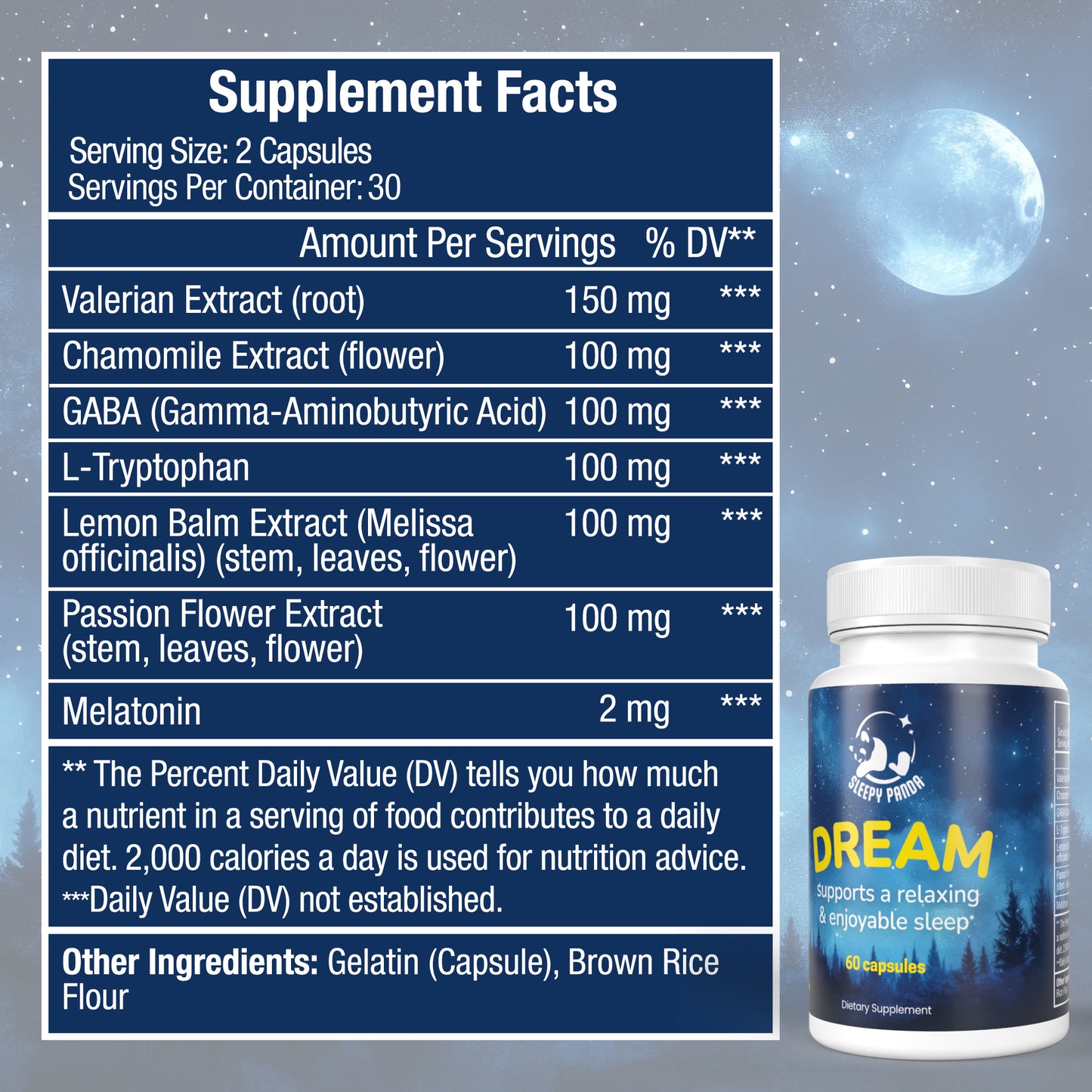
Sometimes your body needs a little extra support to achieve quality rest. Melatonin significantly reduces sleep latency and increases total sleep time. Magnesium supplementation (500 mg daily for 8 weeks) increased sleep time and efficiency while reducing sleep onset latency.
Other options include valerian, which improves sleep quality with a standardized mean difference of -0.70, and tart cherry juice, which supports melatonin production. Chamomile tea may interact with brain receptors involved in sleep-wake transitions.
When to See a Doctor About Your Sleep
While lifestyle changes can work wonders, some sleep issues require professional attention. Consult a sleep specialist when problems persist beyond three months and affect daily life. Seek help if symptoms last longer than four weeks or interfere with your ability to function.
Warning signs include waking gasping for breath, falling asleep while driving, or experiencing mood changes alongside sleep issues. Your sleep health is too important to ignore persistent problems.
Core Sleep vs Deep Sleep: Side-by-Side Comparison
Sometimes seeing the facts laid out clearly can help you better understand how these two sleep types work together. Here's a detailed comparison to help you grasp the key differences and similarities between core sleep and deep sleep.
|
Attribute |
Core Sleep |
Deep Sleep |
|
Definition |
The most restorative phases of sleep cycle, including Stage 3 deep sleep and REM sleep; or the minimum sleep needed to sustain daily functioning |
Third stage of non-REM sleep (N3), also called slow-wave sleep |
|
Percentage of Total Sleep |
35-45% of total nightly sleep |
20-25% of total sleep (15-25% range for adults) |
|
Duration (8-hour sleep) |
Approximately 2.5-4 hours per night (includes 2-3 hours deep sleep + 90-120 minutes REM) |
Approximately 1.5-2 hours (60-100 minutes) |
|
Timing in Sleep Cycle |
Concentrates primarily in first two-thirds of the night; typically the first 5 hours |
Predominantly occurs in the first half of the night |
|
Brain Activity |
Includes lighter sleep stages where brain processes memories and consolidates learning |
Produces slow delta waves (1-4 Hz frequency with high amplitude) |
|
Physical Functions |
Releases growth hormone, strengthens immune function, repairs muscle tissue, activates glymphatic system for brain detoxification |
Increases blood supply to muscles, releases human growth hormone, triggers tissue growth and repair, builds bone and muscle |
|
Cognitive Functions |
Processes emotional experiences, refines neural connections, consolidates learning and memory (during REM portion) |
Facilitates memory consolidation, transfers knowledge from hippocampus to neocortex, clears metabolic waste including beta-amyloid |
|
Physiological Changes |
Energy restoration, prepares body for active REM phases |
Heart rate and breathing slow to lowest levels, blood pressure decreases 10-20%, body temperature drops |
|
Impact on Health |
Lack increases risk of chronic diseases (hypertension, diabetes), worsens mood disorders (depression, anxiety), drops cognitive performance |
Shortage raises risk of dementia, Alzheimer's, high blood pressure, heart attack, stroke, type 2 diabetes; regulates glucose metabolism |
|
Importance |
Provides necessary rest for daily functioning and sets stage for deeper sleep stages; supports short-term survival |
Essential for long-term health and recovery; handles intensive repair work |
|
Age-Related Changes |
Not specifically mentioned |
Decreases at roughly 1.7% per decade; people under 30 may get 2 hours nightly, those over 65 might get only 30 minutes or none |
|
Difficulty Waking |
Not specifically mentioned |
Extremely difficult to wake; if disturbed, person experiences sleep inertia (mental fog) lasting ~30 minutes |
Remember, while these distinctions are important to understand, both types of sleep work together as part of your body's natural recovery system. The goal isn't to obsess over each stage but to create the right conditions for quality sleep overall.
Final Thoughts
The difference between core sleep and deep sleep is simpler than it appears. Deep sleep represents one specific stage focused on physical repair and memory consolidation. Core sleep encompasses both deep sleep and REM, delivering the most restorative benefits your body needs.
You need both to function optimally. Deep sleep handles intensive repairs, while core sleep provides the foundation for daily energy and cognitive performance. The good news? You don't need to choose between them.
Focus on sleep consistency rather than obsessing over individual stages. Stick to regular bedtimes, optimize your bedroom environment, and limit caffeine. Your body knows how to cycle through these stages naturally when you give it the right conditions.
Remember, understanding these sleep phases is the first step toward better rest. Your wellness journey is uniquely yours, and quality sleep is one of the most powerful tools you have for supporting your overall health and daily performance.
FAQ's About The Difference Between Core Sleep and Deep Sleep
Q: How much core sleep should I aim for each night?
A: Core sleep typically accounts for 35 to 45 percent of your total nightly sleep. For adults sleeping seven to nine hours, this translates to approximately 2.5 to 4 hours of core sleep per night, which includes around 2 to 3 hours of deep sleep and 90 to 120 minutes of REM sleep.
Q: Is 45 minutes of deep sleep sufficient for good health?
A: No, 45 minutes falls short of the recommended amount. Adults should achieve about 60-100 minutes of deep sleep during an 8-hour night, representing approximately 20-25% of total sleep time. Insufficient deep sleep can increase your risk of chronic diseases, mood disorders, and cognitive decline.
Q: Should I prioritize getting more core sleep or deep sleep?
A: Neither is more important than the other—both work together for optimal health. Core sleep provides the foundation for daily functioning and energy, while deep sleep handles intensive physical repair and memory consolidation. Your body naturally cycles through both when you maintain consistent sleep habits.
Q: What's the main difference between core sleep and deep sleep?
A: Deep sleep is a specific stage (Stage 3 NREM) that focuses on physical repair and produces slow delta brain waves. Core sleep is broader, encompassing both deep sleep and REM sleep—the most restorative phases of your sleep cycle that support both physical recovery and cognitive function.
Q: How can I improve both my core and deep sleep quality?
A: Maintain a consistent sleep schedule by going to bed and waking up at the same time daily, even on weekends. Keep your bedroom temperature between 60-67°F, ensure complete darkness, avoid caffeine after early afternoon, and limit alcohol before bedtime. Sleep consistency matters more than duration alone.
References
https://www.healthline.com/health/how-much-deep-sleep-do-you-need
https://my.clevelandclinic.org/health/body/12148-sleep-basics
https://sliiip.com/core-sleep-vs-deep-sleep/
https://www.ncbi.nlm.nih.gov/books/NBK526132/
https://www.nhlbi.nih.gov/health/sleep/stages-of-sleep
https://www.teladochealth.com/library/article/sleep-cycles-what-you-need-to-know
https://www.henryford.com/blog/2022/08/what-happens-while-you-sleep-the-4-sleep-phases-explained
https://bodybio.com/blogs/blog/core-sleep-vs-deep-sleep?srsltid=AfmBOormj1FC7XdKwrRCCM79t2hrb23ti1uvfObSc4FJCaYOwKphCH48
https://www.thesleepclinicmd.com/how-much-core-sleep-do-you-need/
https://myessentia.com/blogs/under-the-covers/rem-vs-core-vs-deep-sleep?srsltid=AfmBOopIuArn9mUqFDJ-jGpmCDkfrN8xbO3cz72OWxRa-CiE8Qx9rWBT
https://www.nichd.nih.gov/health/topics/sleep/conditioninfo/what-happens