Why Do I Wake Up Tired After 8 Hours Sleep? The Real Reasons Explained
Share
Key Takeaways
Understanding why you wake up tired despite 8 hours of sleep can help you identify the real culprits and take targeted action to improve your rest quality.
- Sleep quality matters more than quantity - fragmented sleep prevents restorative deep sleep and REM stages even with adequate hours
- Undiagnosed sleep disorders like sleep apnea affect 30 million Americans and cause repeated nighttime awakenings that disrupt recovery
- Lifestyle timing sabotages rest - eating within 1 hour of bedtime doubles wake-up risk, while late exercise delays sleep by 36 minutes
- Consistent sleep schedules reduce mortality risk by 20-48% compared to erratic patterns, making routine more important than weekend catch-up
- Professional help is essential when fatigue persists beyond 3 months despite good sleep hygiene or when daytime sleepiness affects safety
The solution isn't just sleeping longer - it's addressing the underlying factors that prevent your body from achieving truly restorative rest.
Introduction
Waking up tired after a full eight hours of sleep — it's a frustrating experience that can leave you questioning everything about your nighttime routine. Whether you're hitting the snooze button multiple times or reaching for that extra cup of coffee before you've even fully opened your eyes, this exhaustion despite "enough" sleep is more common than you might think.
You're certainly not alone in this struggle. Persistent fatigue ranks among the most searched sleep-related complaints across the United States. The truth is, how you sleep matters just as much as how long you sleep. Even with a solid eight hours in bed, poor sleep quality, undiagnosed sleep disorders, or certain lifestyle factors can leave you feeling completely drained.
Here's something that might surprise you: nearly 30 million Americans have sleep apnea, yet most cases remain undiagnosed. This means the answer to your morning fatigue could be more complex than simply counting hours on a pillow.
Understanding what's really happening during those eight hours is the first step toward waking up refreshed. Let's explore the real reasons behind your persistent tiredness and discover practical solutions to help you reclaim your mornings.
Why Am I Still Tired After 8 Hours of Sleep?
Sleep research reveals something that might surprise you: sleep quality may be just as important, if not more important, than sleep duration in predicting future health. Yet this crucial aspect often gets overlooked when we're simply counting hours.
The Problem with Counting Hours Alone
When it comes to healthy sleep, how long you rest represents only one piece of the puzzle. Other components affect your heart and brain health just as significantly. These include how long it takes to fall asleep, maintaining a regular sleep schedule, overall satisfaction with sleep, sleep continuity, timing, and sleep architecture.
Remember, poor sleep continuity has been linked to higher risk for AFib, heart attack, high blood pressure, and greater insulin resistance. Lower satisfaction with sleep quality has been associated with higher blood pressure, stiffer arteries, and coronary heart disease. Not having a consistent sleep pattern increases your risk for obesity, cardiovascular disease, inflammation, and blood pressure that doesn't drop during the night.
Understanding Non-Restorative Sleep
What exactly is non-restorative sleep? It means you wake up feeling tired, groggy, or mentally drained despite sleeping what should be a sufficient amount of time. You experience this when your sleep cycles through several critical stages get disrupted.
Good sleep progresses through light sleep, deep sleep (slow-wave sleep), and REM sleep. Deep sleep handles physical repair, while REM sleep manages memory, mood regulation, and brain function. When these stages are disrupted or shortened, you may clock eight hours but still feel completely exhausted.
Fragmented sleep represents one major culprit behind this exhaustion. You may wake up briefly throughout the night without realizing it. Even micro-awakenings can fragment sleep and reduce deep sleep time. Common causes include noise, light exposure, room temperature extremes, a partner who moves frequently, and frequent bathroom trips. Your brain registers these interruptions even when you don't consciously remember waking up.
Signs Your Sleep Quality Is Poor
How can you tell if your sleep quality needs improvement? Waking up feeling unrefreshed after 7-9 hours in bed signals poor sleep quality. You might notice grogginess lasting more than 30-60 minutes, a heavy or foggy feeling in your head, an immediate need for caffeine to function, or hitting the snooze button multiple times.
Daytime sleepiness isn't normal when you're regularly allowing enough time for sleep. Struggling to stay awake in meetings or while reading, needing naps most days, feeling drowsy while driving, and relying heavily on caffeine or energy drinks all indicate fragmented sleep at night.
Mood changes also accompany poor sleep quality. You might experience increased irritability, short temper, low motivation, more anxiety than usual, or feeling emotionally flat. Cognitive symptoms include brain fog, forgetfulness, difficulty focusing, slower problem-solving, and trouble finding words.
What Are Common Sleep Disorders That Leave You Exhausted?
Sometimes the culprit behind your morning fatigue isn't about how you sleep — it's about what's happening to your body while you think you're sleeping peacefully. More than 50 million people in the United States have a sleep disorder, with over 80 different types affecting rest quality. These conditions can steal away restorative sleep regardless of how many hours you spend in bed.
Obstructive Sleep Apnea
Sleep apnea might be the most sneaky sleep thief of all. This condition causes your breathing to stop and start repeatedly throughout the night. When your throat muscles relax, your airway narrows or closes completely, cutting off oxygen to your brain.
Your brain responds by briefly waking you to resume breathing, disrupting your sleep cycles even when you don't consciously remember these awakenings. This pattern can repeat anywhere from 5 to 30 times or more each hour throughout the entire night. OSA affects up to 1 billion people worldwide between ages 30 and 69.
The repeated awakenings prevent you from reaching those deep, restorative sleep phases that your body desperately needs for repair and recovery. You may spend eight full hours in bed, but your brain never gets the quality rest it requires.
Chronic Insomnia and Sleep Fragmentation
Chronic insomnia means you're battling sleep troubles most nights for at least three months. You might struggle to fall asleep initially, wake up multiple times during the night and have difficulty returning to sleep, or wake up far too early in the morning.
This fragmented sleep pattern elevates exhaustion and daytime sleepiness while significantly reducing the time you spend in restorative sleep stages. Your sleep becomes like a broken puzzle — you might have all the pieces, but they don't fit together properly.
Narcolepsy and Hypersomnia
Narcolepsy disrupts your brain's natural ability to control sleep-wake cycles. You might feel reasonably rested upon waking but then experience overwhelming sleepiness throughout the day. What many people don't realize is that narcolepsy also causes fragmented nighttime sleep, with frequent awakenings throughout the night.
Hypersomnia presents a different challenge — it makes staying awake during the day extremely difficult even after getting what should be a full night's sleep. You might sleep 11 hours or more yet still feel profoundly sleepy.
Upper Airway Resistance Syndrome
UARS creates increased resistance in your airway during sleep without the complete breathing pauses seen in sleep apnea. This condition affects 3.1% to 4.4% of women and 1.5% of men. The extra effort required for breathing causes brief awakenings that fragment your sleep and prevent truly deep rest.
Circadian Rhythm Disorders
Your internal biological clock regulates when you naturally feel sleepy and alert throughout the day. Circadian rhythm disorders throw this delicate timing completely off balance.
Shift work sleep disorder affects approximately one-third of people working nighttime hours. The disruption goes beyond just feeling tired — night shift workers are 40% more likely to develop depression than their daytime counterparts.
Understanding these conditions is important because they can masquerade as simple tiredness when the underlying issue requires specific treatment approaches.
What Lifestyle Factors Sabotage Your Rest?
Sometimes the culprit behind your morning exhaustion isn't a medical condition — it's the everyday choices you're making without realizing their impact on your sleep quality.
Food and Drink Timing Issues
Your evening routine might be working against you more than you think. Eating or drinking less than 1 hour before bedtime increases your risk of waking after sleep onset by more than two times. Health experts recommend consuming your last meal 2-4 hours before bed to allow proper digestion.
That glass of wine you're having to "help you relax"? It's actually degrading your sleep quality by approximately 4% per drink. And here's something that might catch you off guard — caffeine reduces sleep quantity by 10 minutes per cup consumed the previous day. Even that afternoon coffee could be stealing precious minutes from your rest.
Medication Side Effects
Several common medications can disrupt the very sleep architecture you need for restorative rest. Beta blockers decrease your body's melatonin levels, making it harder to fall or stay asleep. SSRIs lengthen stage 1 sleep and reduce REM sleep, causing frequent nighttime awakenings.
Corticosteroids stimulate cortisol production, disrupting your sleep cycle. Even over-the-counter decongestants containing pseudoephedrine can raise blood pressure and heart rate, causing insomnia. If you're taking any of these medications and experiencing sleep issues, it's worth discussing alternatives with your healthcare provider.
Exercise Timing and Intensity
Exercise timing can make or break your sleep quality. Strenuous workouts within 2 hours of bedtime delay sleep onset by an average of 36 minutes. Your body needs time to wind down from the adrenaline rush of intense exercise.
However, this doesn't mean you should skip exercise altogether. Moderate exercise concluding at least 90 minutes before bed does not negatively affect sleep. Morning exercise increases melatonin levels and improves sleep quality, making it an ideal time to get your heart rate up.
Your Bedroom Setup
Remember that your bedroom environment plays a bigger role than you might expect. Bedroom ventilation affects rest quality in ways you probably haven't considered. Research shows CO₂ concentrations above 800 ppm disturb sleep, requiring ventilation rates of about 8 L/s per person. Poor air quality can leave you tossing and turning without you even knowing why.
How to Wake Up Refreshed: Practical Solutions
Now that you understand what might be disrupting your sleep, it's time to focus on solutions that can help you wake up feeling truly rested.
Optimize Your Sleep Schedule
Remember, consistency matters more than duration when it comes to quality rest. Going to bed and waking at the same time daily, including weekends, helps train your circadian rhythm. Try to limit weekend schedule variations to just one hour.
The benefits of regular sleep patterns extend far beyond just feeling more rested. Research shows that consistent sleep schedules can reduce mortality risk by 20% to 48% compared to erratic sleeping patterns. This makes your bedtime routine one of the most important health habits you can establish.
Create the Ideal Sleep Environment
Your bedroom setup plays a bigger role in sleep quality than you might realize. Keep your room temperature between 60-67°F. This cooler environment supports your body's natural temperature drop that signals it's time for deep sleep.
Light exposure can disrupt your sleep cycles, so use blackout curtains or eye masks to block out any unwanted brightness. Noise can fragment your sleep without you even realizing it, so consider earplugs or a white noise machine.
Here's an important step many people overlook: remove electronics from your bedroom entirely. The blue light from screens can interfere with melatonin production even hours after use.
One simple trick that can make a real difference is taking a hot bath about 90 minutes before bed. This helps trigger the core temperature drop that naturally promotes sleepiness.
Natural Sleep Support Options to Consider
If lifestyle changes aren't quite enough, several natural options may help support better sleep quality.
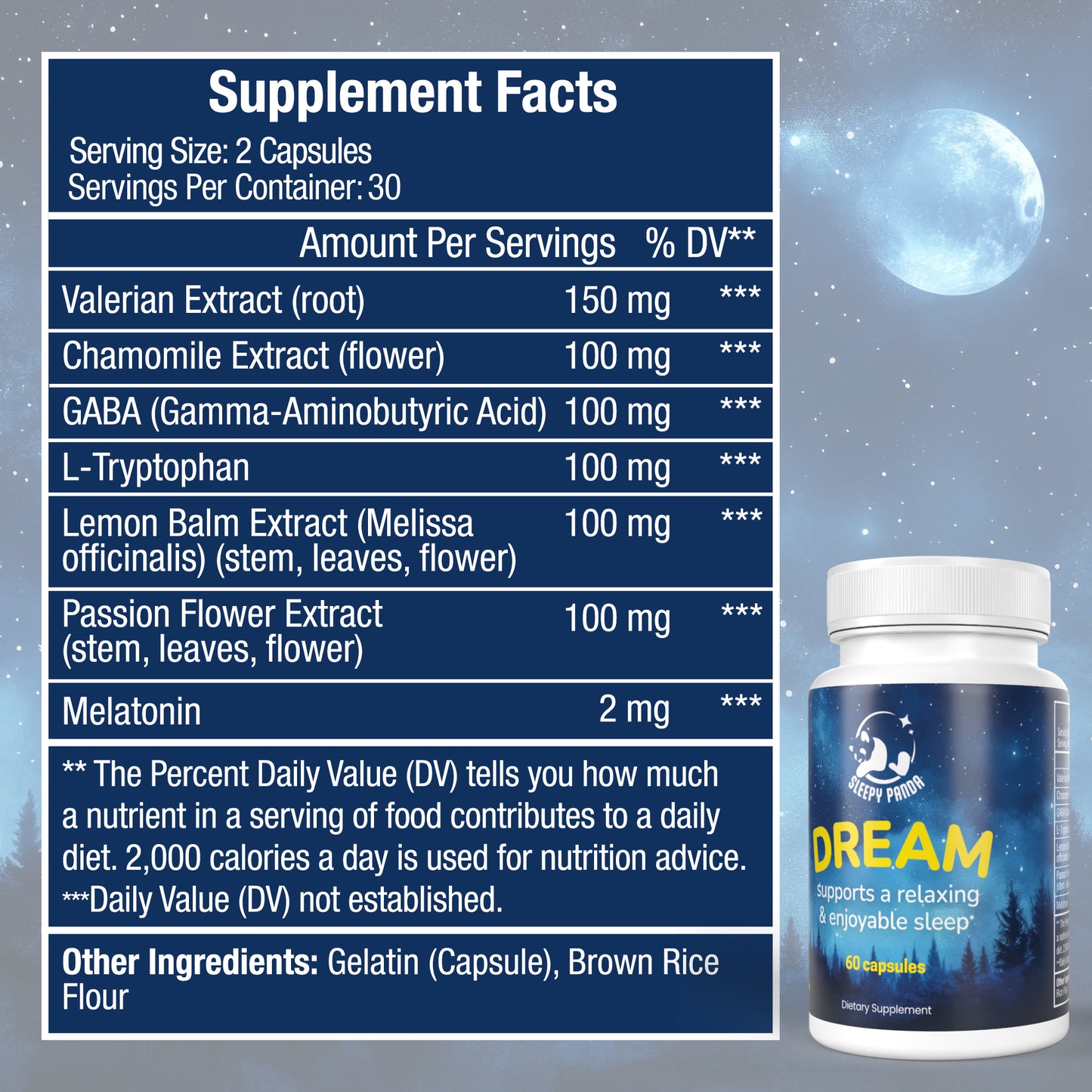
Sleepy Panda’s Dream is a carefully formulated sleep support blend designed to help you fall asleep faster, unwind naturally, and improve overall sleep quality—without the grogginess the next morning.
It combines key ingredients that work through complementary pathways to support a calm, restful night. Melatonin helps regulate your circadian rhythm and signals to your body that it’s time to sleep, supporting a smoother transition into sleep. Chamomile is traditionally used to promote relaxation and ease nervous tension, helping the mind and body wind down in the evening. Passionflower further supports calmness by helping quiet mental overactivity that can make it harder to fall asleep.
GABA is a key calming neurotransmitter that helps reduce neural excitability, supporting a more relaxed mental state as you prepare for sleep. Valerian root has also been widely used to help shorten the time it takes to fall asleep and support deeper, more restorative rest.
Together, these ingredients work synergistically to support both sleep onset and sleep quality, helping you transition into sleep more easily and stay asleep more consistently through the night.
When Professional Help Is Needed
Sometimes, despite your best efforts with sleep hygiene, professional guidance becomes necessary. You should consult a sleep specialist if your sleep problems persist beyond three months despite following good sleep practices.
Professional evaluation becomes essential when excessive daytime sleepiness starts interfering with your work performance or safety. Additionally, if you experience loud snoring and breathing pauses during sleep, these could be signs of a serious sleep disorder that requires medical attention.
Understanding that seeking help isn't a sign of failure, but rather a smart step toward reclaiming your energy and health, can make all the difference in your sleep journey.
Final Thoughts
Waking up tired after eight hours isn't just about the clock — it's about what happens during those hours. Your morning exhaustion could stem from undiagnosed sleep disorders, daily habits that interfere with rest cycles, or even something as simple as your bedroom setup.
Remember, sleep quality and sleep quantity work together to determine how you feel each morning. Understanding these causes is important to find the most effective relief options for your unique situation.
You now have the knowledge to start making changes that can improve your rest. Whether it's adjusting your bedtime routine, creating a better sleep environment, or exploring natural sleep support options, small shifts can make a meaningful difference in how you feel each day.
If your fatigue persists despite implementing these strategies, don't hesitate to seek professional help. Your sleep specialist can provide personalized guidance and identify any underlying conditions that might be affecting your rest.
Your journey to better sleep is uniquely yours, and finding the right combination of solutions may take some time. Stay patient with yourself as you work toward more refreshing mornings and better overall well-being.
FAQ's About Tired After 8 Hours Sleep
Q: Why do I still feel exhausted even after getting 8 hours of sleep?
A: Sleep quality matters just as much as sleep quantity. Even with 8 hours in bed, factors like fragmented sleep, sleep disorders such as sleep apnea, poor sleep architecture, or disrupted deep sleep and REM stages can prevent restorative rest. Your sleep may be interrupted by brief awakenings you don't even remember, preventing your body from completing essential recovery cycles.
Q: Can ADHD medication actually help with sleep problems?
A: Yes, paradoxically, some people with ADHD experience improved sleep when taking stimulant medications. About 20% of people with ADHD report better sleep quality, faster sleep onset, and more refreshed mornings on ADHD medication. This happens because the medication helps regulate brain activity that might otherwise keep you in a state of restless wakefulness.
Q: What medical conditions should I check for if I'm always tired despite adequate sleep?
A: You should ask your doctor to test for thyroid function, iron levels, vitamin D, vitamin B12, and ferritin. Sleep disorders like sleep apnea, narcolepsy, or upper airway resistance syndrome are also common culprits. Women should also consider hormonal changes related to perimenopause, which can begin earlier than expected and cause significant fatigue.
Q: Does coffee actually make ADHD-related tiredness worse?
A: Coffee can have paradoxical effects on people with ADHD, sometimes causing drowsiness rather than alertness. Additionally, consuming caffeine too close to bedtime disrupts sleep quality, and each cup consumed can reduce sleep quantity by about 10 minutes. Some people find that reducing or eliminating caffeine actually improves their overall energy levels.
Q: When should I see a sleep specialist about my constant fatigue?
A: You should consult a sleep specialist if fatigue persists for more than three months despite good sleep hygiene, if you experience excessive daytime sleepiness that interferes with work or safety, or if you have symptoms like loud snoring and breathing pauses during sleep. A sleep study can identify disorders that aren't apparent from regular medical tests.
References
https://www.padentalsleep.com/why-you-can-still-feel-exhausted-after-8-hours-of-sleep
https://www.heart.org/en/news/2025/04/14/when-it-comes-to-sleep-quality-may-be-just-as-important-as-quantity
https://ubiehealth.com/doctors-note/why-wake-unrefreshed-nonrest-sleeps-eight-hours-5741e3
https://ubiehealth.com/doctors-note/poor-sleep-quality-5-signs-warning-dropping-82-dip32e4
https://my.clevelandclinic.org/health/diseases/11429-sleep-disorders
https://www.mayoclinic.org/diseases-conditions/sleep-apnea/symptoms-causes/syc-20377631
https://my.clevelandclinic.org/health/diseases/24443-obstructive-sleep-apnea-osa
https://entgasouth.com/blog/the-link-between-sleep-apnea-and-chronic-fatigue
https://medlineplus.gov/sleepdisorders.html
https://www.sciencedirect.com/science/article/pii/S0002916523024590