Tired But Can't Sleep? The Real Reasons Why and What Actually Helps
Share
Key Takeaways
Understanding why you feel tired but can't sleep empowers you to break this exhausting cycle and reclaim restful nights.
- Mental and physical fatigue operate separately - your body can be exhausted while stress hormones keep your mind racing and alert.
- Consistency beats perfection for sleep - maintaining the same bedtime and wake time daily strengthens your circadian rhythm more than occasional long sleep-ins.
- The 6-hour caffeine rule matters - consuming caffeine even six hours before bed can reduce total sleep time by over an hour.
- Create a wind-down routine - limit screens one hour before bed, practice 4-7-8 breathing, and keep your bedroom between 60-67°F for optimal sleep conditions.
- Seek help when needed - if sleep problems persist beyond four weeks or interfere with daily functioning, consult a healthcare provider for proper evaluation.
Remember, breaking the tired-but-can't-sleep cycle requires addressing both the physical and mental aspects of sleep. Small, consistent changes to your evening routine and sleep environment can yield significant improvements in your ability to fall asleep when exhausted.
Introduction
Feeling tired but can't sleep? You're definitely not alone in this exhausting cycle. It's one of those frustrating experiences that leaves you physically drained yet mentally wired, staring at the ceiling while your body craves rest.
This sleep struggle has become increasingly common, and it's more complex than you might think. Your body feels exhausted, but your mind refuses to quiet down. Whether it's stress keeping your thoughts racing, late-night screen time throwing off your natural rhythm, or underlying health issues creating the perfect storm for sleeplessness — the reasons behind this predicament vary widely.
Understanding why this happens is the first step toward finally getting the rest you need. When you know what's keeping you awake despite being tired, you can start addressing the root causes instead of just hoping sleep will eventually come.
Let's explore what's really happening when your body and mind aren't on the same page about bedtime, the common triggers that fuel this cycle, and the strategies that actually work to help you drift off when exhaustion should be enough.
What's Really Happening When You Feel Tired But Can't Sleep
Your Body is Tired But Your Mind is Not
Here's something that might surprise you: mental and physical fatigue operate through completely separate biological processes. When you're physically exhausted from high-intensity activity, your alertness and concentration remain intact. It's like having two different systems running in your body — and they don't always communicate well with each other.
Mental fatigue works differently. Those prolonged periods of cognitively demanding tasks — whether it's a stressful workday or hours of focused concentration — reduce your ability to process information and concentrate. This mental tiredness doesn't come from a single stressor but builds up from continuous mental load.
When your brain experiences lengthy periods of tasks requiring working memory, flexible thinking, and self-control, you feel mentally drained. Stress amplifies this effect by releasing hormones like cortisol and adrenaline. These stress hormones can remain active for extended periods, disrupting normal cognitive performance and sleep. The result? Your body feels exhausted, but your brain refuses to shut down.
The Role of Your Circadian Rhythm
Your circadian rhythm acts as your body's internal timekeeper, controlling sleep-wake cycles, metabolism, and hormone production. This biological clock resides in the suprachiasmatic nucleus (SCN), a cluster of brain cells within your hypothalamus. Without external cues, your body naturally runs on a cycle slightly over 24 hours.
Disruptions to this rhythm directly affect when you feel sleepy and alert. When chronic stress activates your hypothalamic-pituitary-adrenal (HPA) axis too frequently or for too long, the system becomes dysregulated. A balanced HPA axis naturally suppresses at bedtime, but an activated one produces high cortisol levels that create that wired feeling. Exposure to bright artificial lights and screen time at night further disrupts your circadian rhythm, potentially worsening mood and sleep quality.
Sleep Pressure vs. Mental Arousal
Sleep pressure builds in your body as time awake increases. This homeostatic drive grows stronger the longer you stay awake and decreases during sleep. Cognitively stimulating or demanding experiences can increase this pressure further. Despite strong sleep pressure, mental arousal can override this natural drive.
Hyperarousal represents either an enhanced baseline level of arousal or the inability to regulate excess arousal. This state manifests as somatic, cortical, and cognitive arousal. When hyperaroused, you find it difficult to fall asleep despite exhaustion. Your fight-or-flight response stays in overdrive, keeping your brain alert.
Those intrusive pre-sleep thoughts that start racing through your mind? They cause stress and correlate highly with sleep onset problems. Conscious attempts to fall asleep might even disturb the process further, creating a cycle where worrying about sleep makes it harder to achieve.
What Are Common Causes of Difficulty Sleeping When Tired?
Now that we understand the disconnect between physical exhaustion and mental alertness, let's explore the specific culprits behind this frustrating cycle. These common triggers often work together, creating a perfect storm for sleepless nights.
Stress and Anxiety Keeping Your Mind Active
Here's what happens: you finally lie down, the distractions fade away, and suddenly your mind becomes a highlight reel of everything that's bothering you. Job pressures, financial concerns, relationship issues — they all seem to demand attention the moment your head hits the pillow.
Stress activates your fight-or-flight response, flooding your system with hormones that are designed to keep you alert and ready for action. Unfortunately, your body can't distinguish between a real emergency and worrying about tomorrow's presentation. Over time, your bedroom can actually become associated with stress and worry, making the problem worse.
Poor Sleep Habits and Irregular Sleep Schedule
Your body thrives on routine, especially when it comes to sleep. Going to bed at 10 p.m. one night and midnight the next throws your internal clock completely off balance. For every hour of variability in bedtime or sleep duration, you may have up to a 27% greater chance of experiencing metabolic abnormalities. Irregular sleep patterns can increase your risk of depression as much as getting fewer total hours of sleep.
Think of your circadian rhythm like a precise timepiece — it needs consistency to function properly.
Caffeine and Stimulants Too Late in the Day
That afternoon coffee might seem harmless, but caffeine has a longer reach than most people realize. Caffeine consumed even six hours before bedtime significantly disrupts sleep. A 400 mg dose taken six hours prior to sleep reduces total sleep time by more than one hour.
Caffeine works by blocking adenosine receptors in your brain — the same receptors that help you feel drowsy as the day progresses. Stimulant medications create similar effects, keeping you alert when your body wants to wind down.
Blue Light from Screens Before Bed
Your phone, tablet, or laptop emits blue light that essentially tricks your brain into thinking it's still daytime. This wavelength of light suppresses melatonin production, the hormone that signals it's time to sleep. Approximately 58% of Americans look at screens within an hour before bedtime.
But it's not just the light itself — scrolling through social media, checking emails, or playing games stimulates your brain and prevents the mental relaxation needed for sleep.
Daytime Napping Done Wrong
While a short power nap can be refreshing, timing and duration matter enormously. Napping after 3 p.m. disrupts your circadian rhythm and reduces the sleep pressure that builds throughout the day. Long naps exceeding 30 minutes can cause sleep inertia, leaving you groggy and making nighttime sleep more difficult.
For those already struggling with insomnia, napping essentially chips away at the sleep drive your body needs for nighttime rest.
Eating Heavy Meals Late in the Evening
That late dinner might satisfy your hunger, but it can wreak havoc on your sleep. Eating within three hours of bedtime causes more nighttime awakenings and disrupted sleep. Heavy meals elevate your metabolism and raise your body temperature — both work against the natural cooling and slowing down your body needs for sleep.
Experts recommend avoiding full meals two to four hours before bedtime to reduce the risk of acid reflux and sleep disruption.
Understanding these causes puts you one step closer to breaking the tired-but-can't-sleep cycle. Remember, these factors often work together, so addressing multiple areas usually yields better results than focusing on just one.
Sleep Problems Linked to Medical Conditions
Sometimes the root of your sleep troubles goes deeper than lifestyle habits or stress. Underlying medical conditions can create a complex web where your body feels exhausted, but sleep remains frustratingly out of reach.
Sleep Disorders That Cause This Problem
Certain sleep disorders create their own version of the tired-but-can't-sleep cycle. Sleep apnea affects 10% to 20% of middle-aged adults and causes repeated breathing interruptions throughout the night. You might feel completely worn out during the day, yet struggle to fall asleep because your body hasn't experienced truly restorative rest.
Restless legs syndrome adds another layer of complexity. The uncomfortable sensations and overwhelming urge to move your legs when you're trying to rest makes it nearly impossible to drift off, even when you're bone-tired. About 50% to 60% of people diagnosed with one sleep disorder likely have the other as well.
Mental Health Conditions Affecting Sleep
Mental health and sleep share a complicated relationship that works both ways. People with insomnia face a tenfold higher risk of developing depression. Among those with depression, 75% experience trouble falling asleep or staying asleep.
Anxiety disorders create their own sleep challenges, with people suffering from insomnia being 17 times more likely to have anxiety. Sleep disturbance appears in nearly all psychiatric disorders. It's a cycle where poor sleep worsens mental health symptoms, which then make sleep even more elusive.
Medications That Interfere With Sleep
Your prescription medications might be working against your sleep goals. Multiple medication classes cause sleep problems, often as an unintended side effect. Antidepressants produce varying effects — fluoxetine acts as a stimulant while paroxetine causes sedation. Beta blockers decrease your body's natural melatonin levels.
Stimulant medications prolong sleep onset and cause insomnia. Steroids disrupt sleep cycles by increasing cortisol production. Pain medications, particularly opioids, alter your sleep architecture and may cause apnea.
Chronic Pain and Physical Health Issues
Chronic pain creates one of the most frustrating sleep scenarios. Over 65% of chronic pain patients report trouble sleeping. The relationship works both ways: poor sleep worsens pain sensitivity, while pain disrupts sleep quality.
Conditions like arthritis, fibromyalgia, and back problems prevent the peaceful rest your body desperately needs. Sleep deprivation increases subjective pain intensity and reduces pain tolerance. You're caught in a cycle where pain keeps you awake, and lack of sleep makes the pain worse.
Remember, if you suspect an underlying medical condition is affecting your sleep, it's important to work with a healthcare professional to address both the condition and your sleep challenges.
What Actually Helps When You're Tired But Can't Sleep
Now that we've explored why this frustrating cycle happens, let's focus on what actually works to break it. These strategies target the root causes we've discussed and can help you finally get the rest your exhausted body needs.
Create a Consistent Sleep Schedule
Your body thrives on routine, and sleep is no exception. Going to bed and waking at the same time daily reinforces your circadian rhythm and helps signal when it's time to rest. Research shows sleep regularity matters more than duration for long-term health.
Remember, this means sticking to your schedule even on weekends. It might be tempting to sleep in, but consistency is what helps your internal clock stay on track.
Manage Stress and Calm Your Mind
When your mind won't quiet down, specific techniques can help ease that mental chatter. Meditation encourages slower breathing and lowers heart rate, helping you drift off.
Try the 4-7-8 breathing technique to calm your nervous system: inhale for 4 seconds, hold for 7, exhale for 8. This simple method can shift your body from that wired state into relaxation mode.
Journaling before bed can also be powerful for externalizing worries and reducing nighttime anxiety. Getting those racing thoughts out of your head and onto paper often provides the mental relief needed for sleep.
Optimize Your Sleep Environment
Your bedroom setup plays a huge role in sleep quality. Keep your space between 60-67 degrees Fahrenheit for optimal rest. Darkness promotes melatonin production, so blackout curtains or an eye mask can make a significant difference.
White noise or earplugs help minimize disruptive sounds that might keep you alert. Small environmental changes often yield surprisingly big results.
Limit Screen Time and Blue Light Exposure
This one's non-negotiable if you're serious about better sleep. Stop using devices at least one hour before bed. Blue light suppresses melatonin and tricks your brain into staying alert when you should be winding down.
If you absolutely must use screens at night, consider amber-tinted glasses to filter the blue light. Better yet, replace screen time with a calming activity like reading or gentle stretching.
Watch Your Caffeine and Alcohol Intake
What you consume and when can significantly impact your ability to fall asleep. Avoid caffeine after 5 p.m., as it can disrupt sleep even six hours before bedtime. That afternoon coffee might be sabotaging your nighttime rest without you realizing it.
Similarly, stop drinking alcohol at least three hours before sleep to prevent fragmented rest. While alcohol might initially make you drowsy, it disrupts sleep quality later in the night.
Consider Natural Sleep Supplements
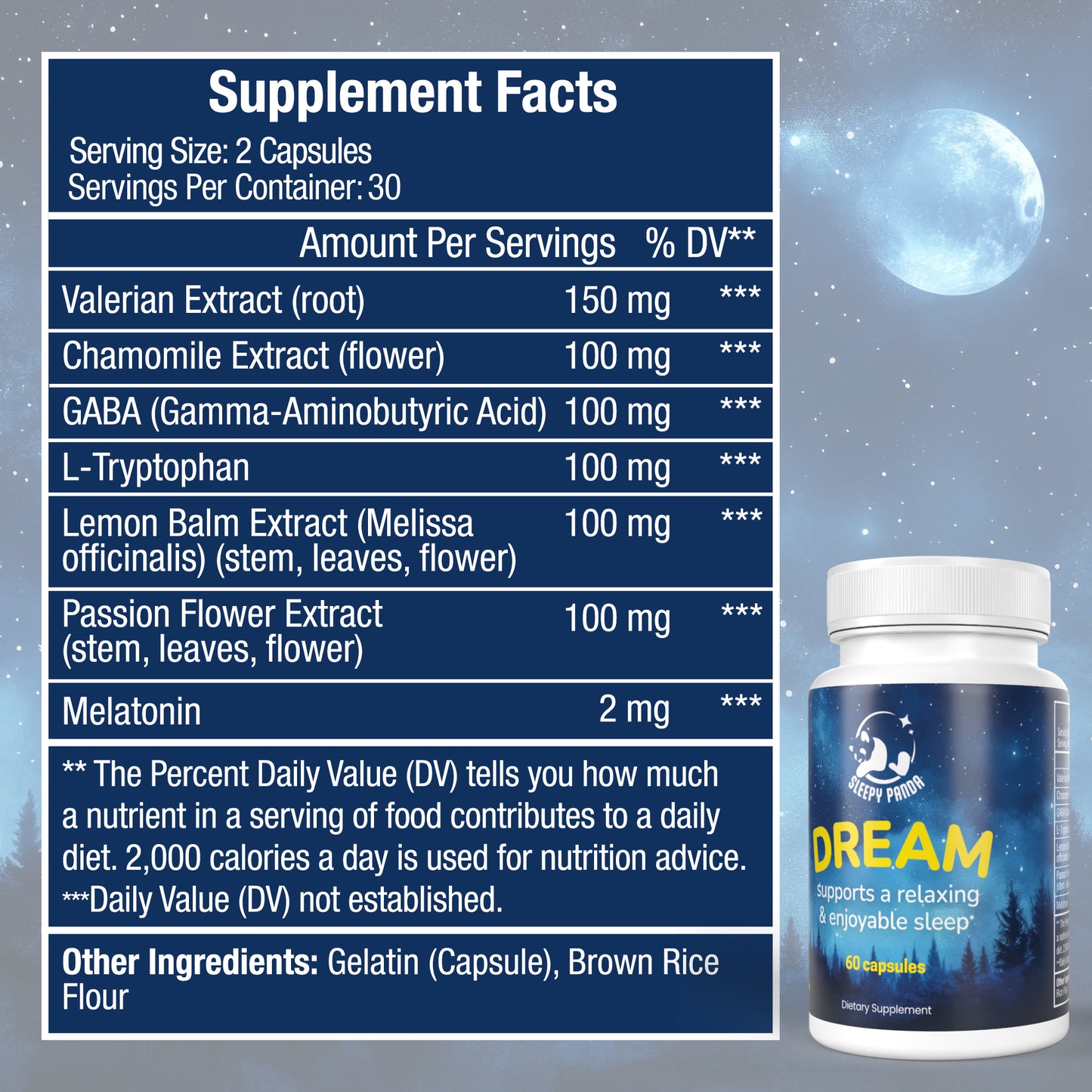
Certain natural supplements can support your body’s sleep processes. Melatonin helps regulate your circadian rhythm and can reduce sleep onset time by 7–12 minutes, while magnesium supports relaxation and has been shown to improve sleep efficiency and duration—particularly in older adults. Ingredients like GABA and Lemon Balm promote a calm, relaxed mental state, helping quiet the mind before bed, while L-tryptophan supports serotonin and melatonin production for more consistent sleep cycles.
However, it’s important to consult your healthcare provider before starting any supplement to ensure it’s appropriate for your situation and won’t interact with other medications.
When to See a Doctor for Sleep Problems
Sometimes, self-help strategies aren't enough, and that's completely normal. Seek medical attention if insomnia lasts longer than four weeks or interferes with daily functioning.
You should also consult a doctor if you wake gasping for breath, experience crawling sensations in your legs, or notice mood changes alongside sleep issues. These symptoms might indicate underlying conditions that require professional treatment.
Understanding these solutions empowers you to take action instead of just hoping sleep will eventually come. Start with one or two strategies that resonate with you, and build from there.
Final Thoughts
The tired-but-can't-sleep cycle doesn't have to be your nightly reality. Most often, it comes down to your mind staying alert while your body desperately needs rest. Whether it's stress keeping your thoughts spinning, lifestyle habits throwing off your natural rhythm, or health conditions creating additional challenges, there are ways to break free from this exhausting pattern.
Start with the fundamentals that make the biggest difference: stick to consistent sleep and wake times, create a calming bedtime routine, and optimize your sleep environment. These simple changes can have a powerful impact on your ability to drift off when you're tired.
Remember, if sleep troubles persist for more than four weeks or start interfering with your daily life, it's time to reach out to a healthcare professional. They can help identify any underlying issues and guide you toward the right solutions for your specific situation.
Your sleep matters, and you deserve those restorative nights of rest. The strategies we've explored aren't just temporary fixes — they're tools you can use to build healthier sleep patterns that serve you for years to come. Take it one step at a time, and be patient with yourself as you work toward better sleep.
FAQ's About Tired But Can't Sleep
Q: What should I do when I feel exhausted but can't fall asleep?
A: Start by establishing a consistent sleep schedule, going to bed and waking up at the same time daily. Practice relaxation techniques like the 4-7-8 breathing method (inhale for 4 seconds, hold for 7, exhale for 8) to calm your nervous system. Optimize your bedroom environment by keeping it between 60-67°F, using blackout curtains, and eliminating screen time at least one hour before bed. If these strategies don't help within four weeks, consult a healthcare provider.
Q: Why does my body feel tired but my brain won't shut off at night?
A: This happens because mental and physical fatigue operate through separate biological processes. Stress triggers the release of hormones like cortisol and adrenaline that keep your brain alert even when your body is physically exhausted. Additionally, when you lie down with fewer distractions, your mind becomes more active with racing thoughts about daily worries, creating a state of mental arousal that overrides your body's natural sleep pressure.
Q: Can drinking coffee in the afternoon really affect my nighttime sleep?
A: Yes, caffeine consumed even six hours before bedtime can significantly disrupt your sleep. A 400 mg dose taken six hours prior to sleep can reduce total sleep time by more than one hour. Caffeine blocks sleep-promoting adenosine receptors in your brain, keeping you alert when you should be winding down. To avoid sleep disruption, it's best to avoid caffeine after 5 p.m.
Q: Does magnesium actually help with sleep problems?
A: Magnesium supplementation has been shown to improve sleep efficiency and duration, particularly in older adults. It helps regulate neurotransmitters and supports the body's natural relaxation processes. However, it's important to consult your healthcare provider before starting any supplement to ensure it's appropriate for your individual situation and won't interact with other medications.
Q: When should I see a doctor about my sleep difficulties?
A: Seek medical attention if your insomnia lasts longer than four weeks or significantly interferes with your daily functioning. You should also consult a doctor immediately if you experience warning signs like waking up gasping for breath, uncomfortable crawling sensations in your legs at night, or noticeable mood changes alongside your sleep issues, as these may indicate underlying sleep disorders or health conditions requiring professional treatment.
References
https://fatiguescience.com/blog/the-difference-between-mental-and-physical-fatigue
https://my.clevelandclinic.org/health/diseases/12115-circadian-rhythm-disorders
https://en.wikipedia.org/wiki/Circadian_rhythm_sleep_disorder
https://www.uclahealth.org/news/article/feeling-tired-wired-heres-what-might-be-causing-it
https://www.health.harvard.edu/blog/why-your-sleep-and-wake-cycles-affect-your-mood-2020051319792
https://www.sciencedirect.com/science/article/abs/pii/S0167876011002820
https://health.clevelandclinic.org/overtired
https://my.clevelandclinic.org/health/diseases/9497-restless-legs-syndrome
https://sleepcenterinfo.com/blog/sleep-apnea-insomnia-deadly-combination/
https://www.hopkinsmedicine.org/health/wellness-and-prevention/depression-and-sleep-understanding-the-connection