Waking Up at 3am: What Your Body Is Trying to Tell You
Share
Key Takeaways
Understanding why you wake at 3am empowers you to address the root causes and reclaim restful sleep through targeted solutions.
- Your body's natural cortisol rise between 2-3am, combined with lighter REM sleep, creates perfect conditions for nighttime awakening
- Physical triggers include low blood sugar, hormonal fluctuations during menopause, bladder urgency, and temperature regulation issues
- Mental factors like stress, anxiety, and racing thoughts activate your fight-or-flight system, keeping you physiologically aroused
- Consistent sleep hygiene—same bedtime daily, 65-68°F room temperature, no screens—strengthens your circadian rhythm
- Lifestyle changes like stopping eating 3 hours before bed, avoiding afternoon caffeine, and morning exercise show results within weeks
- Seek medical help if sleep problems persist beyond 4 weeks, as conditions like sleep apnea affect 30% of adults
Most people experience improvement within a few weeks of implementing consistent changes. The key is addressing multiple factors simultaneously rather than relying on single solutions.
Introduction
Waking up at 3am — it's one of those experiences that can leave you feeling defeated before the day even begins. You're lying there, exhausted but completely alert, staring at the ceiling and wondering why this keeps happening. You're not alone in this struggle. Over 35% of adults wake up in the middle of the night at least three times per week.
Your body isn't trying to sabotage your sleep. It's actually sending you important signals. Whether it's natural cortisol shifts, changing sleep cycles, stress responses, hormonal fluctuations, or blood sugar changes, there are real reasons behind these nighttime wake-ups. Understanding what's happening when you keep jolting awake at 3am is the first step toward getting the restful sleep you need.
We'll explore the physical messages your body is communicating, the mental and emotional factors that can pull you from sleep, and practical solutions that can help you sleep through the night. Remember, better sleep is possible when you understand what your body is trying to tell you.
Understanding Why You Keep Waking Up at 3am
The Role of Your Circadian Rhythm
Think of your body as having its own internal timekeeper — the circadian rhythm. This biological clock runs on a roughly 24-hour cycle, coordinating when you feel alert and when sleep takes over. The suprachiasmatic nucleus (SCN) in your brain acts as the master controller, sending timing signals throughout your body to regulate hormones, body temperature, and sleep patterns.
Light serves as the primary cue for this internal clock. When evening arrives and light fades, your brain begins producing melatonin to promote sleepiness. Come morning, light exposure stops melatonin production while body temperature climbs, naturally promoting wakefulness. Here's where it gets interesting — your natural circadian cycle actually runs slightly longer than 24 hours in most adults. This means your brain must make a daily adjustment of 12 to 18 minutes to stay synchronized with the actual day-night cycle.
This constant fine-tuning creates vulnerability. Irregular schedules, late-night screen time, and stress can easily disrupt this delicate timing mechanism.
How Sleep Architecture Changes Through the Night
Sleep isn't one continuous state — it unfolds in four to six distinct cycles each night, alternating between non-REM and REM stages. Each cycle lasts roughly 90 minutes, though the pattern varies significantly. Early cycles might span only 70 to 100 minutes, while later ones can extend to 90 to 120 minutes.
The composition of sleep changes dramatically as the night progresses. Deep sleep dominates the first half of the night, with N3 stages lasting 20 to 40 minutes during early cycles. Fast forward to the early morning hours, and deep sleep virtually disappears. REM sleep takes center stage, with these stages stretching up to an hour.
For most adults who go to bed around 10pm, 3am typically falls right in the middle of REM sleep. REM represents the lightest sleep stage, making you more vulnerable to waking from both external disturbances and internal signals. Age intensifies this pattern — there's a natural progression toward lighter sleep with less of that restorative deep sleep.
Natural Cortisol Rise in Early Morning Hours
Cortisol starts climbing between 2am and 3am as part of your normal circadian rhythm. This hormone surge prepares your body for the approaching day by boosting alertness, elevating blood sugar, and increasing energy availability. Under typical conditions, cortisol reaches its peak 30 to 45 minutes after you wake up.
The timing of this cortisol rise is crucial. When stress or irregular sleep patterns cause cortisol to surge earlier than expected, it can pull you out of sleep prematurely. People dealing with chronic stress often experience both an earlier and more dramatic cortisol rise. Combined with the naturally lighter REM sleep occurring at 3am, this hormonal shift creates ideal conditions for nighttime awakening.
Physical Signals Your Body Sends at 3am
Your body communicates through specific physical responses when sleep gets disrupted. These aren't random occurrences — they're clear signals pointing to underlying issues that need attention.
Low Blood Sugar and Metabolism
When blood glucose drops below 70 mg/dL during sleep, you experience nocturnal hypoglycemia. Almost half of all low blood sugar episodes happen at night, with more than half classified as severe. Your body responds by releasing cortisol and adrenaline to bring glucose levels back up. These stress hormones create sudden wakefulness, along with a racing heart, sweating, and anxiety.
Certain habits increase your risk. Skipping dinner, exercising before bed, or drinking alcohol at night can all trigger these episodes. People with diabetes face particular vulnerability, especially those taking insulin that peaks six to eight hours after dosing. Women aged 40-50 experience this more frequently due to perimenopause affecting insulin sensitivity and muscle mass decline.
Hormonal Fluctuations and Menopause
Sleep problems affect approximately 61% of menopausal women. Hot flashes occur in 75-85% of women going through menopause and can last an average of five years. Here's what's interesting — research shows you actually wake just before the hot flash happens, not because of it. The same brain changes that trigger the hot flash also cause the awakening.
Postmenopausal women are two to three times more likely to develop sleep apnea compared to premenopausal women. The protective effect of estrogen and progesterone disappears with menopause. Sleep disturbances can start during perimenopause when hormone levels become irregular.
Bladder Urgency and Nocturia
Nocturia affects more than 50% of adults after age 50. Your body produces antidiuretic hormone (ADH) that signals your kidneys to retain water. ADH levels increase during sleep to prevent bathroom trips. When levels don't rise adequately, you wake up to urinate.
About 1 in 3 people over age 30 experience nocturia. Drinking too much fluid before bed, particularly caffeine or alcohol, makes it worse. Beyond lifestyle factors, conditions like diabetes, high blood pressure, and sleep apnea can cause nighttime urination.
Body Temperature and Pain Responses
Your core body temperature decreases during sleep. Sleep onset features a prominent increase in distal skin temperature as your body loses heat. Disruptions in this temperature regulation can pull you from sleep.
Chronic pain causes multiple nocturnal awakenings throughout the night. Pain episodes during sleep tend to be processed most intensely during light sleep stages. About two-thirds of people who experience pain report poor sleep quality. Understanding these physical signals helps you identify what might be disrupting your sleep and guides you toward appropriate solutions.
Mental and Emotional Factors Behind 3am Waking
Have you ever noticed how your mind seems to come alive just when you want it to rest? Mental health plays a significant role in nighttime awakenings, especially during those early morning hours. Anxiety ranks as the most common mental health disorder, and most people with anxiety experience some form of sleep disruption. The connection between your mental state and those frustrating 3am wake-ups is stronger than you might realize.
Stress and Racing Thoughts
Something interesting happens when your environment becomes quiet and still — your mind often shifts into overdrive. Racing thoughts can take many forms: rapid topic switching, endless "what if" scenarios, or mentally rehearsing tomorrow's to-do list. This mental activity doesn't just keep you mentally busy; it triggers your fight-or-flight system, keeping your body physiologically aroused.
Middle-of-the-night wakings are commonly anxiety-related. Here's where it gets tricky: anxiety causes insomnia, which then creates more anxiety about not sleeping. Over time, your brain learns to associate your bed with worry rather than rest, and lying down becomes a trigger for stress.
Anxiety Disorders and PTSD
Anxiety doesn't just affect your thoughts — it impacts your sleep architecture, particularly REM sleep. This can lead to disturbing dreams or nightmares that pull you from sleep. For those dealing with PTSD, the numbers are particularly striking: 80-90% of people with PTSD experience insomnia symptoms, while 50-70% have nightmares. These nightmares occur more than five times per week on average.
PTSD essentially keeps your nervous system in a constant state of high alert, creating hyperarousal that makes both falling asleep and staying asleep challenging. Sleep disturbances can actually increase the risk of developing PTSD and make existing symptoms worse.
Depression and Mood Disruptions
The relationship between depression and sleep runs remarkably deep. About 75% of people with depression experience insomnia symptoms. This connection is so fundamental that some researchers suggest being cautious about diagnosing depression in someone who doesn't have sleep complaints. Depression affects your sleep patterns by reducing REM latency and increasing nighttime wakefulness, particularly during those early morning hours when you're most vulnerable to waking up.
Understanding these mental and emotional factors is important because they often work together with the physical signals your body sends, creating the perfect storm for 3am wake-ups.
Practical Solutions to Sleep Through the Night
Breaking the pattern of waking up at 3am isn't about finding one magic solution. It's about addressing multiple factors at the same time. Small, consistent changes build up to create real improvements over the course of a few weeks.
Sleep Hygiene Essentials
Let's start with the basics that can make a real difference. Keep the same bedtime and wake time every single day, even on weekends. Your bedroom should stay between 65°F and 68°F. Those electronic devices? They need to stay out of your sleep space entirely. The blue light from screens tells your brain to stay alert by reducing melatonin production. Create a truly dark environment with blackout curtains or an eye mask, and keep noise at bay with earplugs or a white noise machine.
Lifestyle Changes That Actually Work
Timing matters more than you might think. Stop eating at least three hours before you plan to sleep. If you're sensitive to caffeine, avoid it after lunch — its effects can linger for up to eight hours. Alcohol might make you feel drowsy initially, but it disrupts your sleep quality later in the night. Exercise regularly, but finish your workout at least four hours before bedtime. Morning physical activity paired with natural light exposure helps strengthen your body's natural sleep-wake cycle.
Natural Support and Relaxation Methods
There’s a point in the night when everything gets quiet—but your mind doesn’t always follow. Thoughts linger, tension stays in your body, and sleep feels just out of reach.
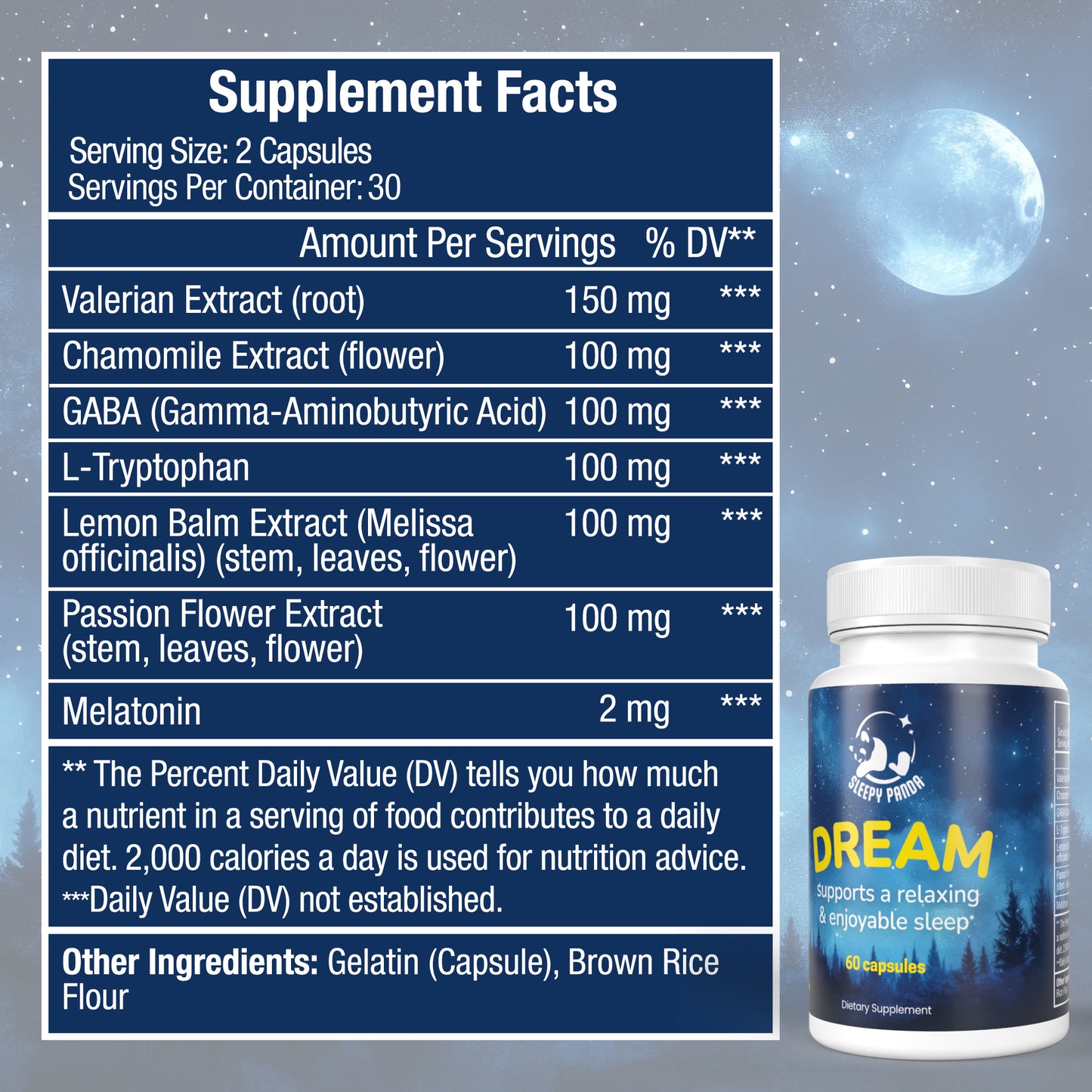
That’s where carefully chosen natural ingredients can make a difference. Melatonin works with your body’s own rhythm, gently guiding you toward sleep so you’re not lying there watching the minutes pass. GABA helps soften the noise in your mind, easing that restless, overactive feeling that keeps you awake. And soothing botanicals like chamomile and passion flower wrap around your evening like a calm signal—helping your body finally let go, unwind, and settle into deeper, more restorative rest.
When to Seek Professional Help
Sometimes, despite your best efforts, you need additional support. If sleep problems persist beyond four weeks or start affecting how you function during the day, it's time to consult a doctor. Cognitive behavioral therapy for insomnia (CBT-I) is often the first-line treatment and proves more effective long-term than sleep medications. Sleep specialists can diagnose underlying conditions like sleep apnea, which affects approximately 30% of adults.
Remember, improving your sleep is a process, not an overnight fix. Be patient with yourself as you implement these changes, and don't hesitate to seek professional guidance when you need it.
Final Thoughts
Waking up at 3am isn't a mystery your body is keeping from you. Those cortisol shifts, blood sugar changes, hormonal fluctuations, and stress responses are all clear signals pointing to specific causes. When you understand these patterns, you gain the power to address them directly.
Sleep hygiene basics and lifestyle adjustments form the foundation of better sleep. Pay attention to what works for your unique situation and track your progress. Most people notice meaningful improvement within a few weeks of making consistent changes.
If sleep problems continue beyond a month, professional support can help identify underlying conditions that need attention. Your sleep quality matters, and lasting improvement is possible when you work with your body's natural rhythms instead of against them.
We invite you to explore natural wellness solutions that support your sleep journey. Better rest is within reach when you listen to what your body is telling you.
FAQ's Waking Up at 3am
Q: Why does my body naturally wake me up around 3am even when I'm tired?
A: Your body experiences a natural cortisol rise between 2am and 3am as part of your circadian rhythm, which prepares you for the upcoming day. This hormonal shift coincides with lighter REM sleep during early morning hours, making you more susceptible to waking. The combination of increased cortisol and being in a lighter sleep stage creates ideal conditions for nighttime awakening.
Q: Can low blood sugar cause me to wake up in the middle of the night?
A: Yes, when your blood glucose drops below 70 mg/dL during sleep, your body releases cortisol and adrenaline to raise glucose levels back up. These stress hormones trigger sudden wakefulness, along with symptoms like racing heart, sweating, and anxiety. This is more likely if you skip dinner, exercise before bed, or drink alcohol at night.
Q: How do stress and anxiety contribute to waking up at 3am?
A: Stress and anxiety activate your fight-or-flight system, keeping you physiologically aroused even during sleep. When environmental distractions disappear at night, your mind shifts to internal processing with racing thoughts and repetitive worries. This mental activity can pull you out of sleep, particularly during lighter sleep stages in the early morning hours.
Q: What temperature should my bedroom be for better sleep?
A: Your bedroom should stay between 65°F and 68°F for optimal sleep. Your core body temperature naturally decreases during sleep, and maintaining a cool room environment supports this process. Disruptions in temperature regulation can cause you to wake up during the night.
Q: When should I see a doctor about waking up at 3am?
A: You should consult a doctor if sleep problems persist beyond four weeks or begin affecting your daily functioning. A healthcare provider can diagnose underlying conditions like sleep apnea, which affects approximately 30% of adults, or recommend cognitive behavioral therapy for insomnia (CBT-I), which is more effective long-term than medications.
References
https://www.texashealth.org/areyouawellbeing/Health-and-Well-Being/why-you-wake-up-at-3am-and-how-to-stop
https://www.sleepfoundation.org/sleep-faqs/why-do-i-wake-up-at-3am
https://www.nhlbi.nih.gov/health/sleep/sleep-wake-cycle
https://www.sleepfoundation.org/circadian-rhythm
https://www.health.harvard.edu/sleep/what-is-sleep-architecture
https://www.sleepfoundation.org/stages-of-sleep
https://health.clevelandclinic.org/why-do-you-always-wake-up-at-3-a-m
https://www.health.harvard.edu/sleep/the-3-am-wake-up-why-it-happens-to-women-more-often-after-55
https://www.ovrcome.io/post/why-do-i-wake-up-at-3am-the-surprising-science-of-cortisol-and-sleep
https://www.endocrine.org/journals/endocrine-reviews/the-cortisol-awakening-response
https://www.sleepfoundation.org/sleep-hygiene/why-do-i-wake-up-at-the-same-time-every-night
https://www.medicalnewstoday.com/articles/nocturnal-hypoglycemia
https://www.hopkinsmedicine.org/health/conditions-and-diseases/diabetes/hypoglycemia-nocturnal