Does Chamomile Really Make You Sleepy? A Sleep Expert Reveals The Truth
Share
Key Takeaways
- Gentle sedative action: Chamomile contains apigenin, a natural flavonoid that binds to receptors involved in calming the nervous system, supporting relaxation and the onset of sleep.
- Improves sleep quality: Clinical reviews and meta-analyses suggest chamomile can enhance sleep quality, particularly by helping people fall asleep faster and reducing awakenings, though it may not significantly increase total sleep time.
- Best as part of a routine: Drinking chamomile tea or using its other forms (capsules, aromatherapy) about an hour before bed seems most effective as a complementary sleep strategy.
- Versatile wellness benefits: Beyond sleep, chamomile is linked to relaxation effects, digestive support, and other health benefits—but not all are backed by strong evidence.
- Mild effect, generally safe: Chamomile is milder than prescription sleep medications; while most people tolerate it well, individual effects vary and the herb should not be relied on as a sole solution for chronic insomnia.
Introduction
Sleep troubles affect millions of people, and with around 40% turning to complementary medicines for better rest, you might be wondering: does chamomile actually make you sleepy? The short answer is yes, but there's more to this gentle herb than meets the eye.
Chamomile's sleep-promoting effects aren't just folklore passed down through generations. A meta-analysis of 12 randomized, controlled trials found that chamomile genuinely improved sleep quality. The secret lies in a powerful flavonoid called apigenin, which binds to GABA receptors in your brain, creating a natural sedative effect that's gentler than prescription sleep aids. Chamomile happens to be one of the richest natural sources of this compound.
What makes chamomile particularly interesting is its versatility. Whether you prefer sipping chamomile tea before bed, taking concentrated capsules, or even inhaling its essential oil for just 10 minutes daily, this herb can fit into your routine in multiple ways. Tea provides about 0.8-1.2% apigenin per cup, while capsules deliver concentrated doses ranging from 250-1,100mg for those seeking stronger effects.
Research shows chamomile's benefits extend beyond sleep — it can be about 60% as effective as certain doses of hydrocortisone cream for eczema and has even helped improve sleep in women during menopause and after pregnancy. However, it's important to understand that chamomile improves sleep quality more than duration. You'll likely fall asleep faster and sleep more soundly, though it may not significantly increase your total sleep time.
Let's explore how this ancient herb works in your body and whether it deserves a place in your nightly routine. Understanding the science behind chamomile can help you make informed decisions about this gentle, natural approach to better rest.
What Is Chamomile and How Is It Used?
Chamomile — you might think of it as just another herbal tea, but this humble flower has been supporting wellness for thousands of years. Ancient civilizations from Egypt to Rome and Greece all recognized chamomile's beneficial properties. This daisy-like plant belongs to the Asteraceae family and comes in two main varieties that have become staples in natural health routines worldwide.
Let's learn more about what makes chamomile special and how you can use it to support better sleep.
Types of Chamomile: German vs Roman
You'll encounter two main types of chamomile, and while they share similarities, they each have distinct characteristics. German chamomile (Matricaria chamomilla) grows taller — reaching anywhere from 6 inches to 2 feet — as a self-seeding annual with delicate, ferny leaves. This variety produces more flowers and contains higher concentrations of chamazulene, which gives its essential oil that distinctive deep blue color.
Roman chamomile (Chamaemelum nobile), on the other hand, stays closer to the ground as a low-lying perennial, reaching only 3-6 inches in height. It spreads through creeping rhizomes and can even handle light foot traffic, making it perfect for garden edges. Both varieties give off that characteristic apple-like scent and contain beneficial compounds, though Roman chamomile produces fewer flowers than its German counterpart.
Forms: Tea, Capsules, and Oils
When it comes to using chamomile, you have plenty of options. Tea remains the most popular choice — with over one million cups consumed daily worldwide. The dried flowers contain terpenoids and flavonoids that give chamomile its medicinal properties.
Beyond your evening cup of tea, chamomile is available in several forms:
- Capsules and supplements (typically 250-1,100mg per dose)
- Essential oils for aromatherapy and topical use
- Tinctures (made with one part chamomile to four parts water and grain alcohol)
- Powdered extracts for facial masks and exfoliating treatments
Chamomile Benefits Beyond Sleep
While many people reach for chamomile when they're having trouble sleeping, this versatile herb offers much more. Chamomile has anti-inflammatory properties that can help with digestive issues like flatulence, indigestion, and diarrhea. Its anti-spasmodic qualities can also soothe stomach cramps and ease symptoms of irritable bowel syndrome.
Research suggests chamomile may help control blood sugar in people with diabetes and could potentially decrease A1C, serum insulin levels, and LDL cholesterol. The herb contains 36 types of flavonoids with antioxidant effects that can penetrate deep into skin layers, promoting healing and reducing inflammation. These compounds may also contribute to its potential protective effects against certain types of cancer.
Understanding chamomile's broad range of benefits helps explain why this modest flower has remained such an important part of traditional medicine systems across the world. Whether you're looking for sleep support or other wellness benefits, chamomile offers a gentle, natural approach to better health.
What Makes Sleep So Complex?
Sleep isn't just hitting a switch in your brain and calling it a night. Your body goes through an intricate process with different stages, each one playing a role in everything from memory formation to keeping your immune system strong. When you're wondering whether chamomile can actually help you sleep better, understanding how sleep works gives you a clearer picture of what this gentle herb is doing behind the scenes.
Your Sleep Cycles Throughout the Night
Every night, your body moves through multiple sleep cycles that last about 90 to 120 minutes each. Each cycle takes you through non-rapid eye movement (NREM) sleep — which has three distinct stages — followed by rapid eye movement (REM) sleep.
NREM starts light in stages 1 and 2, then moves into the deeper stage 3. After that comes REM sleep, when your brain becomes more active, your eyes move rapidly, and you experience vivid dreams.
Here's what's interesting: these cycles aren't spread evenly throughout the night. Deep NREM sleep happens more in the first half of your sleep, while REM periods get longer as morning approaches. This helps explain why that cup of chamomile tea before bed might help you fall asleep easier, but it won't necessarily change how your entire night unfolds.
Why Deep Sleep Matters So Much
Deep sleep — that stage 3 NREM we mentioned — is when your body gets down to serious business. This is repair time: your tissues heal, your immune system gets stronger, and your bones and muscles rebuild themselves. Your brain also uses this time to clear out waste products that build up during your waking hours.
Without enough deep sleep, you might notice your memory isn't as sharp, you can't think as clearly, and you might get sick more often. This is why people often reach for sleep aids like chamomile supplements — they're not just looking for more sleep, they want better quality sleep that includes those important deep stages.
How GABA Receptors Control Your Sleep
At the chemical level, your sleep is largely controlled by something called gamma-aminobutyric acid, or GABA. This is your brain's main "slow down" messenger. When GABA receptors get activated, they reduce neural activity and help your brain shift from being awake to falling asleep.
Remember that compound apigenin we mentioned in chamomile? It works by binding to these same GABA receptors in your brain. This creates a mild calming effect that's similar to prescription sleep medications, but much gentler. So when you drink chamomile tea before bed, you're essentially helping to quiet your brain's activity, making it easier to drift off naturally.
What Makes Chamomile Work for Sleep?
Have you ever wondered what actually happens when you sip that warm cup of chamomile tea before bed? The secret behind chamomile's sleep-promoting effects comes down to its unique chemical makeup. For centuries, people have reached for this gentle herb when they couldn't sleep, but science has only recently revealed exactly how it works.
Apigenin's Role in Sleep
The star player in chamomile is a flavonoid called apigenin. This natural compound acts as the main driver behind chamomile's calming effects. What makes apigenin special is how it interacts with your brain — it binds directly to benzodiazepine receptors, creating a mild sedative effect.
Unlike prescription sleep medications that can leave you feeling groggy, apigenin offers a gentler approach. The separation between its anti-anxiety and sedative effects is actually 10, compared to just 3 for diazepam. This explains why chamomile can help you unwind without the heavy-handed effects or dependency concerns that come with stronger sleep aids.
What the Research Shows
The evidence supporting chamomile's sleep benefits is quite solid. A meta-analysis of 12 randomized controlled trials found that chamomile genuinely improved overall sleep quality. Another systematic review showed chamomile extract reduced Pittsburgh Sleep Quality Index scores by 1.88 points.
Where chamomile really shines is in helping you fall asleep faster and reducing how often you wake up during the night. Studies have also found that women dealing with sleep issues after childbirth experienced less physical fatigue and fewer depression symptoms when using chamomile.
Sleep Aid or Just Relaxation?
This brings us to an important question: does chamomile actually make you sleepy, or does it just help you relax? The answer lies somewhere in between. Research suggests chamomile creates what scientists call a "mild sedative or tranquilizing effect" on your nervous system.
It won't knock you out like a sleeping pill, but it does more than simply calm your nerves. Interestingly, while chamomile improves how well you sleep, it doesn't necessarily make you sleep longer. A systematic review found that chamomile enhanced sleep quality without significantly increasing total sleep time.
Remember, chamomile may work through multiple pathways. Beyond apigenin's effects on GABA receptors, chamomile also contains small amounts of melatonin, which could add another layer to its sleep-supporting properties.
Other Ways to Use Chamomile for Sleep
Beyond the traditional cup of tea, chamomile offers several alternative delivery methods that might help improve your sleep quality.
Chamomile capsules and supplements
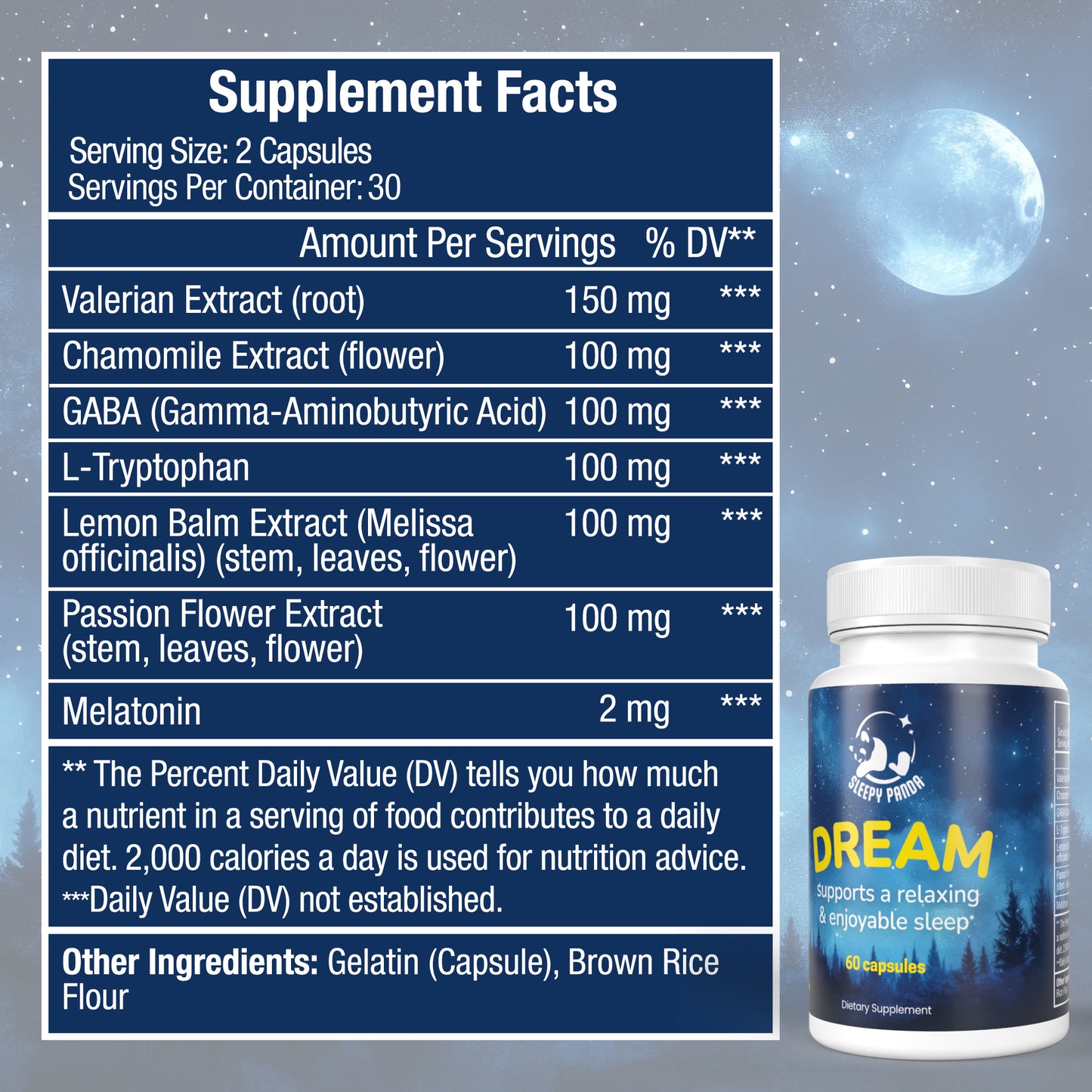
For those seeking a more concentrated dose of chamomile's sleep-inducing compounds, capsules provide a convenient option. Unlike tea, supplements offer standardized amounts of beneficial compounds per dose, ranging from 250-1,100mg per capsule. In one notable study, older adults taking 200mg of chamomile extract twice daily for 28 days experienced significant improvements in both sleep quality and how quickly they fell asleep.
Capsules may contain higher concentrations of apigenin—the active sedative compound—than tea, which typically contains between 0.8% and 1.2% apigenin per cup. For bedtime use, simply take capsules with a full glass of water, following the dosage instructions on the product label.
Aromatherapy with chamomile oil
Chamomile essential oil—a blue-colored oil created by crushing and steaming the plant's flowers—offers another effective sleep aid method. A recent study showed that young adults who inhaled chamomile oil for just 10 minutes daily over 15 days experienced reduced insomnia severity and enhanced sleep quality.
You can use chamomile oil in several ways:
- In a diffuser before bedtime to create a sleep-conducive environment
- Added to a warm bath for relaxation
- Through direct inhalation via an aromatherapy inhaler
- Applied diluted during massage therapy to ease muscle tension
Each method lets you harness chamomile's sedative properties without drinking tea, making it versatile for different preferences and needs.
Final Thoughts
Chamomile does appear to have genuine sleep-promoting properties, but its effects are modest and most beneficial as part of a calming bedtime routine rather than a powerful sedative. The herb’s key active compound, apigenin, interacts with GABA-related pathways in the brain to gently calm the nervous system and may improve sleep quality more consistently than total sleep duration. Research indicates that chamomile can help reduce sleep disturbances such as night awakenings and may support relaxation before bed, particularly when combined with healthy sleep habits. While not a replacement for clinically prescribed sleep aids, chamomile offers a generally safe, natural option that may help many people fall asleep easier and sleep more soundly.
FAQ's if Chamomile Really Makes You Sleepy
Q: How does chamomile promote better sleep?
A: Chamomile contains a flavonoid called apigenin that binds to GABA receptors in the brain, producing a mild sedative effect. This can help relax the nervous system and make it easier to fall asleep.
Q: Is chamomile tea more effective than supplements for improving sleep?
A: Both forms can be effective. Tea is the most popular and traditional method, but supplements offer standardized doses of beneficial compounds. The choice depends on personal preference and desired concentration of active ingredients.
Q: Can chamomile help with other health issues besides sleep?
A: Yes, chamomile has various health benefits. It possesses anti-inflammatory properties that can aid digestion, potentially help control blood sugar in diabetics, and may have protective effects against certain types of cancer due to its antioxidant content.
Q: Are there different types of chamomile, and do they have varying effects?
A: There are two main types: German and Roman chamomile. While both have similar properties, German chamomile is taller and contains higher concentrations of certain compounds. However, both varieties are used for their calming and sleep-promoting effects.
Q: How long does it take for chamomile to improve sleep quality?
A: The effects can vary, but some studies have shown improvements in sleep quality after regular use for a few weeks. For instance, one study found significant improvements in sleep quality for older adults after taking chamomile extract twice daily for 28 days.
References
https://kinfertility.com.au/blog/does-chamomile-tea-help-sleep
https://www.sleepfoundation.org/sleep-aids/does-chamomile-tea-make-you-sleep
https://www.webmd.com/diet/supplement-guide-chamomile
https://www.hobbyfarms.com/german-chamomile-vs-roman-chamomile-whats-the-difference/
https://www.epicgardening.com/chamomile-types/
https://formulabotanica.com/differences-roman-german-chamomile/
https://www.medicalnewstoday.com/articles/320031
https://health.clevelandclinic.org/tea-for-sleep
https://www.sciencedirect.com/science/article/pii/S0965229924000591
https://www.verywellhealth.com/does-chamomile-tea-make-you-sleepy-8602726