Best Supplements to Take with GLP-1 for Better Sleep and Recovery
Share
Key Takeaways
GLP-1 medications commonly disrupt sleep and recovery, but strategic supplementation can help you maintain quality rest and muscle mass while achieving your health goals.
- Magnesium glycinate (100-200mg) and GABA (300mg) taken 30-60 minutes before bed effectively combat GLP-1-induced insomnia
- Protein powder (1.2-1.6g per kg body weight daily) is essential since 25% of GLP-1 weight loss comes from muscle mass
- Omega-3s (2400mg+ daily) and B vitamins support muscle recovery and reduce exercise-related inflammation
- Start with one supplement and gradually add others while spacing them away from your GLP-1 injection timing
- Combine magnesium with melatonin or GABA with L-theanine for synergistic sleep benefits without dangerous interactions
The key is consistency and patience—your body needs 4-6 weeks to fully adjust to GLP-1 medications, and the right supplement routine can significantly improve your sleep quality and recovery during this transition period.
Introduction
Sleep troubles on GLP-1 medications — they're more common than you might think. Insomnia actually ranks as the most common psychiatric adverse event with these medications, and with GLP-1 prescriptions surging by 587% over the past five years, more people are experiencing these nighttime challenges.
But here's the thing: the right supplement strategy can make a real difference in how you feel while working toward your health goals. Your body needs extra support during this adjustment period, and understanding which supplements work best with GLP-1 can help protect both your sleep quality and recovery process.
Think about it — when you're not sleeping well, everything else becomes harder. Your energy drops, muscle recovery slows, and those health goals you're working toward feel more challenging to reach.
That's where targeted supplementation comes in. From magnesium and GABA that can help calm your nervous system for better sleep, to protein and omega-3s that support muscle preservation during weight loss — the right nutrients can work alongside your medication instead of against it.
We'll explore why GLP-1 medications tend to disrupt sleep patterns, which specific supplements can help restore restful nights, and how to use them safely with your current treatment plan. Remember, your wellness journey is unique, and finding the right combination of support can help you feel your best every step of the way.
What Causes GLP-1 Sleep and Recovery Issues?
Understanding why GLP-1 medications affect your sleep is the first step toward finding solutions that work. Let's explore the main reasons these medications can disrupt your rest and recovery.
How GLP-1s Affect Your Internal Clock
Your brain has GLP-1 receptors in a region called the dorsomedial hypothalamus, which directly controls your circadian rhythm regulation. When you take these medications, they influence key neurotransmitters — GABA, orexin, and melatonin — that normally keep your sleep-wake cycles running smoothly.
Here's where it gets interesting: your body's natural GLP-1 levels normally peak at 6 am, but sleep deprivation can throw this timing off by about 90 minutes. This creates a challenging cycle — the medication affects your internal clock while disrupted sleep patterns impact how your body responds to treatment.
Continuous light exposure can eliminate your body's normal GLP-1 and insulin responses, making glucose tolerance worse. It's like your body's natural rhythms and the medication are trying to work together, but the signals get crossed.
Blood Sugar Swings That Wake You Up
Have you ever woken up in the middle of the night for no apparent reason? Blood sugar fluctuations might be the culprit. When your glucose levels swing up and down overnight, your body's natural sleep cycle gets disrupted.
Those nighttime blood sugar dips can trigger wakefulness or sweating, leaving you tossing and turning. Your system needs time to adjust to these new glucose regulation patterns, and sleep disruptions are often part of that adjustment process.
Physical Side Effects That Keep You Awake
Many people experience night sweats, digestive discomfort, or nausea that interfere with falling or staying asleep. These issues typically show up within 2-3 weeks of starting treatment and tend to be most intense during the first 4-6 weeks, especially when doses are being increased.
Because GLP-1s slow gastric emptying, food stays in your stomach longer. This can create that uncomfortable fullness or mild discomfort that wakes you up. Bloating and indigestion become particularly problematic if you take your injection or eat too close to bedtime.
When Weight Loss Affects Your Sleep
Rapid weight reduction can temporarily influence sleep patterns as your body adjusts to new metabolic demands. The significant life changes that come with weight loss — adjusting to a new relationship with food, changes in body image — can trigger anxiety or racing thoughts that interfere with sleep.
Your stress hormones can spike as your body adapts to hormonal changes, particularly if your caloric intake drops significantly. When cortisol rises at night, it becomes much harder to relax, stay asleep, or feel rested the next morning.
Why Timing Your Medication Matters
When you take your GLP-1 injection can make a real difference in your sleep quality. Healthcare providers are increasingly recommending morning administration to minimize evening alertness. Taking your injection too late in the day may overlap with your normal sleep cycle, as the medication's effects can peak right when you're trying to wind down.
What Are the Best Sleep Supplements for GLP-1 Users?
Now that we understand why GLP-1 medications can disrupt your sleep, let's explore the specific supplements that can help restore those restful nights. Each of these options targets different aspects of sleep challenges, and finding the right combination for your needs can make a real difference.
Magnesium Glycinate for Deep Relaxation
Here's something that might surprise you: over 52% of Americans aren't getting enough magnesium in their diets, which means many people start with a deficiency that GLP-1 sleep issues can make even worse. Magnesium supports muscle relaxation and helps calm your nervous system — two things that become especially important when your medication is affecting your natural sleep patterns.
Magnesium glycinate stands out as the preferred form because your body absorbs it better than magnesium citrate, which can sometimes cause loose stools. Start with 100-200mg about an hour before bed and adjust based on how you feel. Research shows magnesium supplementation can reduce sleep onset latency by approximately 17 minutes while also improving insulin sensitivity — a bonus benefit for GLP-1 users.
GABA to Quiet a Racing Mind
GABA acts as your brain's primary inhibitory neurotransmitter, essentially telling your brain activity to slow down when it's time for sleep. If you find your mind racing at night — something common when adjusting to GLP-1 medications — GABA can be particularly helpful.
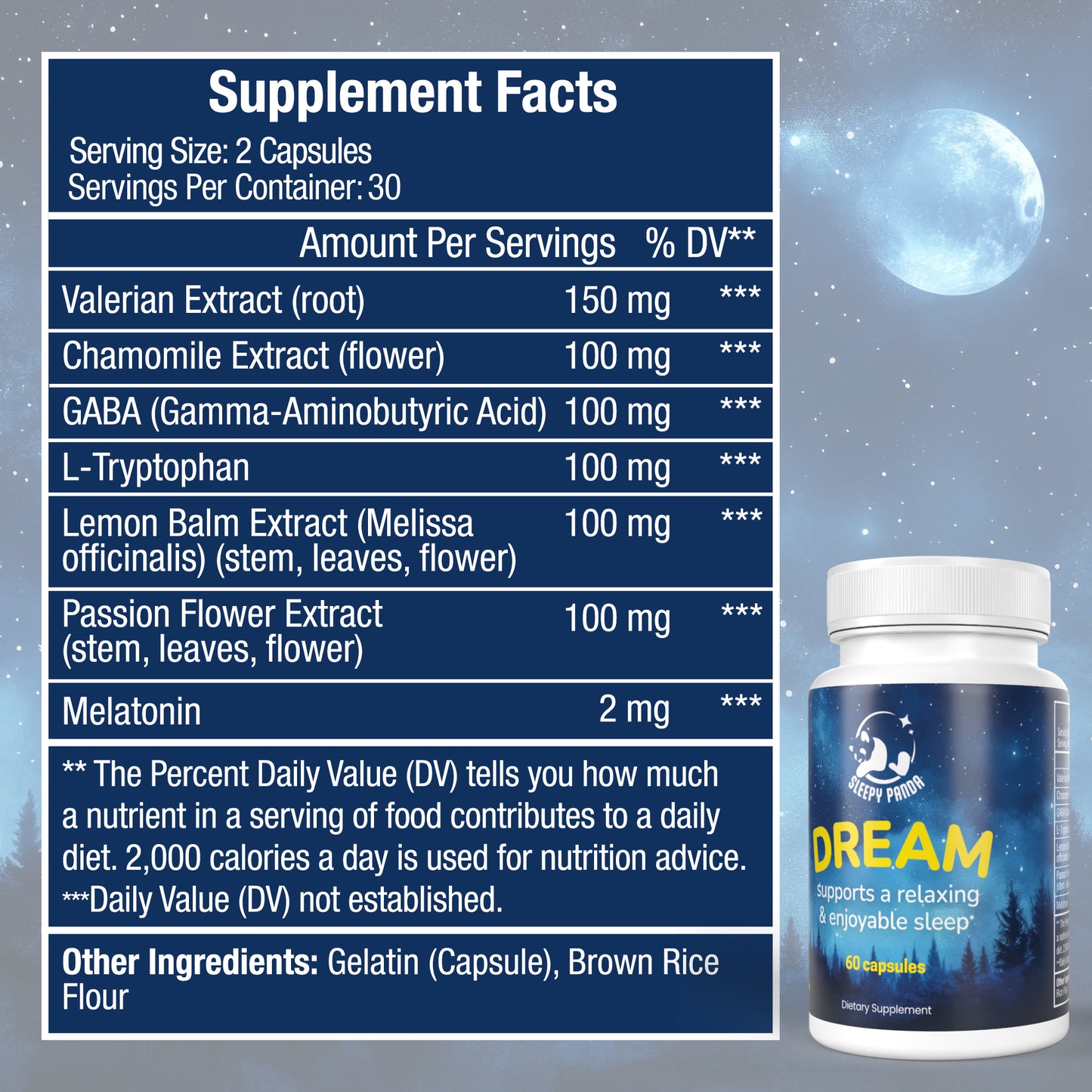
Studies show that taking 300mg of GABA one hour before bed for four weeks significantly reduces the time needed to fall asleep. What's interesting is that even smaller doses of 75mg prove effective for sleep-onset insomnia. When combined with L-theanine, GABA produces even better results, with an 87.3% increase in sleep duration compared to using either supplement alone. Most GABA supplements contain around 100mg, though dosages can vary.
L-Theanine for Calm Without Drowsiness
L-theanine offers something unique: relaxation without making you feel sedated. This makes it ideal for GLP-1 users who want better sleep quality but don't want to feel groggy the next morning. A 2025 meta-analysis of 897 participants confirmed significant improvements in sleep onset latency and overall sleep quality.
Effective dosages typically start around 100-200mg. L-theanine works by enhancing GABA levels while increasing dopamine and serotonin expression in your brain — essentially supporting your body's natural relaxation processes.
Melatonin — Use With Caution
The good news? No direct interactions exist between melatonin and GLP-1 medications. However, long-term melatonin use has been linked to higher risks in adults with insomnia, so it's worth being cautious about regular use.
If you choose to use melatonin, lower doses of 0.5-3mg prove most effective for circadian regulation. Take it 30-60 minutes before your desired sleep time. Remember, melatonin works best for timing issues rather than general sleep quality problems.
Taurine for Overall Sleep Support
Taurine works through multiple pathways — it activates GABA receptors, reduces cortisol levels, and helps regulate melatonin production. For sleep support, dosages range from 500-2000mg per day, with optimal timing being 1-2 hours before bed. Taurine can be combined with GABA for enhanced effects, making it a versatile addition to your sleep support routine.
What Supplements Support Recovery While on GLP-1
Your body goes through significant changes on GLP-1 medications, and the right recovery supplements can make all the difference in how you feel and function. Let's explore the essential nutrients that can help protect your muscle mass and support your body's healing processes.
Protein Powder to Protect Muscle Mass
Here's something important to know: roughly a quarter of the weight lost on GLP-1 medications is lean mass. This makes protein your most critical recovery supplement during treatment.
Experts recommend 1.2 to 1.6 grams of protein per kilogram of body weight per day — that's higher than the general allowance of 0.8 g/kg/day. The challenge? GLP-1s reduce your appetite, so many people end up eating significantly less protein overall.
Whey protein stands as the gold standard for muscle preservation due to its highly bioavailable amino acids, especially leucine. If you prefer plant-based options, pea or soy protein work effectively too.
When solid foods feel unappealing due to protein fatigue, liquid sources like shakes require less gastric capacity and prove much easier to consume. This can be a game-changer when you're struggling to meet your protein needs.
Omega-3s for Inflammation and Muscle Repair
Omega-3 supplementation decreases soreness after exercise, which is particularly helpful when you're trying to stay active during weight loss. Consumption of at least 2400mg per day for 4.5 weeks appears effective for reducing muscle inflammatory biomarkers.
Studies show 6g of fish oil optimized jump performance recovery and lowered perceived soreness at all post-exercise time points. The way omega-3s work is by producing anti-inflammatory mediators while reducing proinflammatory cytokine production.
B Vitamins for Energy and Metabolic Recovery
B vitamins act as cofactors in energy metabolism processes — think of them as the spark plugs for your cellular energy production. Vitamin B1 supports carbohydrate metabolism, B2 provides essential coenzymes for the mitochondrial respiratory chain, and B6 plays a key role in amino acid metabolism.
Research shows that 28 consecutive days of vitamin B complex supplementation significantly improved exercise endurance performance and reduced fatigue metabolites like lactate.
Electrolytes for Hydration and Muscle Function
Electrolytes are necessary for normal muscle contraction and relaxation. Sodium helps conduct nerve impulses and retain water, potassium regulates fluid balance, and magnesium supports muscle relaxation.
During physical activity or when you're eating less on GLP-1s, electrolyte depletion can result in fatigue and muscle cramps. Staying properly balanced with these essential minerals can help you feel stronger and more energized throughout your day.
Understanding what your body needs during this adjustment period is important for maintaining your health while working toward your goals.
How to Use Sleep and Recovery Supplements Effectively
Best Time to Take Sleep Supplements With GLP-1
Timing can make all the difference when it comes to sleep supplements. Most work best when taken 30-60 minutes before your desired bedtime. Melatonin needs about 30 minutes to start working, while magnesium gives you more flexibility — you can take it up to 2 hours before bed.
Here's something important for GLP-1 users specifically: consider spacing your supplements away from your medication dose to avoid any potential absorption competition. And make sure you can commit to a full seven to eight hours of rest after taking your sleep aids. There's nothing worse than taking a sleep supplement and then having to wake up early the next morning feeling groggy.
Combining Supplements Safely
Some supplement combinations work beautifully together. Magnesium and melatonin make an excellent team — magnesium addresses physical tension while melatonin helps reset your circadian rhythm. Similarly, the GABA and L-theanine combination produces synergistic effects without dangerous interactions.
However, never combine multiple sedating supplements without professional guidance. When you do combine supplements safely, reduce individual doses by 25-50% to prevent overwhelming your system. Think of it like cooking — sometimes less is more when you're mixing ingredients.
What to Avoid When Taking Sleep Aids
Skip the nightcap. Alcohol might make you feel drowsy initially, but it can backfire and affect how well you sleep through the night. Avoid taking multiple sleep aids simultaneously unless directed by a physician, and don't exceed recommended dosages.
Also, be cautious with antihistamines like Benadryl — they can have cumulative sedating effects when used with other medications. Your goal is restful sleep, not feeling knocked out.
Creating a Supplement Routine That Works
Start with one supplement and add others gradually. Keep track of your sleep onset time, how often you wake up, and your morning alertness levels. This information helps you understand what's actually working for your body.
Consistency matters more than perfection. Pick the same time daily to take your supplements, pairing them with existing habits like brushing your teeth. Remember, it can take several weeks to see the full benefits of sleep supplements, so be patient with the process as your body adjusts.
Final Thoughts
Sleep and recovery challenges on GLP-1 medications are real, but they don't have to derail your health journey. The right approach can make all the difference — and that's where targeted supplementation comes in.
Whether it's magnesium glycinate helping you unwind at night, GABA supporting your nervous system, or quality protein protecting your muscle mass as you lose weight, these evidence-backed options work with your body instead of against it.
Remember to start slowly. Pick one supplement, give it time to work, and track how you feel. Your body is already adjusting to significant changes with GLP-1 therapy, so gentle, consistent support often works better than trying everything at once.
Understanding these challenges is the first step toward finding solutions that actually work for you. Your wellness journey is uniquely yours, and having the right tools can help you feel your best while reaching those important health goals.
We invite you to explore natural support options that align with your needs. Sleep and recovery matter — and with the right approach, you can protect both while staying on track with your medication plan.
FAQ's About Best Supplements to Take with GLP-1
Q: How can GLP-1 medications improve sleep quality for people with sleep apnea?
A: Weight loss from GLP-1 medications reduces excess tissue that causes airway collapse during sleep. This leads to fewer breathing interruptions, better oxygen levels throughout the night, and improved overall sleep quality for those with obstructive sleep apnea.
Q: Which vitamins and supplements are most effective for improving sleep and recovery?
A: The most effective supplements for sleep and recovery include magnesium, melatonin, zinc, vitamin D, and L-theanine. These compounds work through various physiological mechanisms to support better sleep quality, though individual results may vary based on personal needs and dosages.
Q: What is the recommended protein intake while taking GLP-1 medications?
A: Experts recommend consuming 1.2 to 1.6 grams of protein per kilogram of body weight daily while on GLP-1 medications. This higher intake helps protect muscle mass, as approximately 25% of weight lost on these medications comes from lean muscle tissue rather than fat alone.
Q: Can you safely combine sleep supplements like magnesium and melatonin?
A: Yes, magnesium and melatonin can be safely combined and actually work well together. Magnesium addresses physical tension while melatonin regulates circadian rhythms. However, when combining supplements, it's recommended to reduce individual doses by 25-50% and consult with a healthcare provider.
Q: When is the best time to take sleep supplements if you're using GLP-1 medications?
A: Take sleep supplements 30-60 minutes before your desired bedtime for optimal effectiveness. Space them away from your GLP-1 medication dose to avoid potential absorption competition, and ensure you can get a full seven to eight hours of sleep after taking them.
References
https://drbrighten.com/best-supplements-for-glp-1-medications/
https://www.frontiersin.org/journals/endocrinology/articles/10.3389/fendo.2022.991397/full
https://yorktownhealthvh.com/blog/can-glp-1-improve-sleep-quality/
https://ubiehealth.com/doctors-note/ozempic-insomnia-nausea-glp1-sleep-tracks-night-4751q5
https://coreaesth.com/blog/poorsleepwhileonaglp1
https://www.fellahealth.com/guide/tirzepatide-side-effects-insomnia
https://drbrighten.com/10-best-sleep-supplements-besides-melatonin/
https://www.sleepfoundation.org/sleep-aids/gaba-for-sleep
https://www.sciencedirect.com/science/article/pii/S1087079225000292