Why Lemon Balm for Sleep Actually Works: A Science-Backed Guide
What Makes Lemon Balm Work for Sleep?
Have you ever wondered why lemon balm has earned such a reputation as a natural sleep aid? The answer lies in its scientifically-proven ability to calm your mind and prepare your body for rest.
Here's what you should know about lemon balm for sleep:
- Your brain's GABA activity gets a gentle boost, creating natural sedation without the grogginess or dependency risks that come with stronger sleep medications.
- Research shows impressive results — 87% of people report better sleep quality, with deep sleep increasing by 15%.
- The sweet spot for timing is 300-500mg in supplement form or a cup of tea about 30-60 minutes before you plan to sleep.
- You can safely combine it with chamomile and valerian for stronger effects, but steer clear if you're taking thyroid medications or sedatives.
- It really shines for anxiety-driven insomnia because it tackles both the stress that keeps you awake and the sleep quality issues that follow.
What sets lemon balm apart from prescription sleep aids is its gentle, multi-layered approach. Instead of forcing sleep through artificial means, compounds like rosmarinic acid work alongside your body's existing sleep mechanisms to ease you into natural rest cycles.
Lemon balm for sleep isn't just another wellness trend — it's gaining attention because it bridges the gap between traditional herbal wisdom and modern scientific validation. This calming herb contains an impressive collection of phytochemicals, including rosmarinic acid, citral, and ursolic acid, which contribute to its effects on psychological well-being. Current research supports lemon balm as a promising calming agent with both anxiety-reducing and mood-supporting properties, while also enhancing cognitive function and sleep quality.
The science behind natural sleep aids tells us that lemon balm stands apart from the crowd. Multiple studies confirm its sedative, calming effects, making it especially valuable if you're dealing with occasional sleeplessness. Beyond sleep, lemon balm offers additional health benefits, including anxiety reduction, digestive support, and memory improvement. One human study even found that lemon balm improved both mood and cognitive ability, suggesting its benefits extend well beyond simply helping you drift off.
Let's explore what you need to know about using lemon balm as a sleep aid. We'll examine the scientific evidence supporting its effectiveness, discuss proper dosages, and share practical tips for making this remarkable herb part of your bedtime routine. Whether you're considering lemon balm tea or supplements, you'll understand why this herb might be the natural solution you've been looking for.
What Is Lemon Balm and Why It Supports Better Sleep?
Lemon balm (Melissa officinalis) is a gentle herb from the mint family that's been helping people find rest for thousands of years. You'll recognize it by its bright green, heart-shaped leaves and that distinctive lemony scent that can instantly make you feel a little calmer. While it originally grew wild throughout the Mediterranean, this remarkable herb has found its way into gardens worldwide — and for good reason.
The Story Behind This Ancient Sleep Helper
Have you ever wondered why certain plants become so trusted over time? Lemon balm's journey as a sleep aid stretches back over 2,000 years, with ancient Greek and Roman physicians documenting its calming effects. The Greek physician Dioscorides wrote about its benefits around 60 AD, and the plant's very name "Melissa" comes from the Greek word for honeybee — a nod to how its sweet scent draws these busy pollinators.
The herb really made its mark during the Middle Ages, when it earned the charming nickname "heart's delight." European monastery gardens became home to lemon balm, and the famous physician Paracelsus went so far as to call it the "elixir of life." French Carmelite nuns even created a popular remedy called "Carmelite water" using lemon balm to lift spirits and sharpen the mind.
What's fascinating is how herbalist Nicholas Culpeper described lemon balm as capable of "opening obstructions of the brain" — pretty remarkable insight for someone working centuries before we understood neurotransmitters and brain chemistry.
How Traditional Healers Used Lemon Balm for Rest
Traditional herbalists understood something important about lemon balm — it doesn't just help with sleep, it calms the nervous system that keeps you awake. They prepared it as teas, tinctures, and even added it to baths to soothe what they called "nervous excitability" and "melancholy." Sound familiar? We'd probably call these conditions anxiety and stress today.
Different cultures discovered its sleep-supporting benefits independently. Persian physicians used it to lift dark moods, while Italian folk medicine embraced it for promoting good humor. German traditional medicine specifically recommended lemon balm for sleep disturbances, and British herbalists applied it as compresses for tension headaches.
Many traditional healers combined lemon balm with other calming herbs like chamomile and valerian — combinations that remain popular in modern herbal sleep formulas.
Why Lemon Balm Is Having a Moment Now
People today are searching for gentler alternatives to prescription sleep medications, and lemon balm offers exactly that. Unlike pharmaceutical sleep aids, this herb provides mild sedative effects without leaving you groggy the next morning or creating dependency concerns.
The wellness industry has responded with lemon balm products beyond traditional tea — you'll find capsules, tinctures, essential oils, and even sleep gummies infused with this calming herb. This accessibility has made it easier than ever to include lemon balm in your nighttime routine.
With sleep difficulties affecting about one-third of the population, lemon balm presents a gentle first step before considering stronger interventions. Its dual benefits for both anxiety and sleep make it particularly valuable, especially since anxious thoughts often underlie sleep troubles.
Understanding what makes lemon balm effective is the first step toward better rest. Let's explore the science behind how this gentle herb actually works in your body to promote the peaceful sleep you deserve.
What's Really Happening When Lemon Balm Helps You Sleep?
The effectiveness of lemon balm for sleep isn't just traditional wisdom — modern research has discovered the specific ways this herb works in your body to promote better rest. Let's explore the fascinating science behind why lemon balm can be such a game-changer for your sleep quality.
How Lemon Balm Calms Your Nervous System
Have you ever wondered why lemon balm feels so naturally relaxing? The answer lies in its interaction with GABA (gamma-aminobutyric acid), your brain's primary "calm down" messenger. Think of GABA as your body's natural brake system — it slows down nervous system activity and helps you relax.
Research shows that specific compounds in lemon balm, particularly rosmarinic acid and triterpenoids, bind to GABA receptors in your brain. This binding enhances your brain's ability to receive GABA's calming signals, creating a gentle sedative effect without the knockout punch of prescription sleep medications.
What makes this so interesting is that lemon balm works with your body's existing systems rather than overpowering them. This explains why you can ease into sleep naturally without waking up groggy the next morning.
The Mind-Quieting Effects
Another way lemon balm supports better sleep involves your brain's cholinergic system — the network that uses acetylcholine as its chemical messenger. Lemon balm contains compounds that temporarily inhibit acetylcholinesterase, the enzyme that breaks down acetylcholine.
This creates two sleep-supporting effects:
- Quieting racing thoughts: The mild effects help calm the mental chatter that often keeps you awake
- Supporting memory processing: Proper acetylcholine levels help your brain consolidate memories during sleep
This dual action helps explain why people often report not just falling asleep more easily with lemon balm, but also waking up feeling mentally refreshed.
Fighting Sleep-Disrupting Inflammation
Beyond its effects on brain chemistry, lemon balm contains powerful compounds that support better sleep quality by reducing inflammation in your body. The key players include:
- Rosmarinic acid
- Caffeic acid
- Ferulic acid
- Quercetin
These compounds help neutralize the oxidative stress that can interfere with healthy sleep patterns. Remember, poor sleep and inflammation create a frustrating cycle — poor sleep increases inflammation, and inflammation makes it harder to sleep well.
By reducing both oxidative damage and inflammation, lemon balm helps break this cycle and creates better conditions for the restorative sleep your body needs.
Calming Your Stress Response System
Perhaps most important for chronic sleep issues is how lemon balm affects your body's stress response system — the hypothalamic-pituitary-adrenal (HPA) axis. When you're chronically stressed, this system stays activated, pumping out cortisol that can seriously mess with your sleep cycles.
Research indicates that lemon balm helps calm this system in several ways. It contains compounds that appear to reduce excessive cortisol production while its overall calming effects help prevent the stress activation that comes with anxiety and racing thoughts.
This stress-calming effect may explain why lemon balm works particularly well for stress-induced insomnia compared to other sleep troubles. It doesn't just mask the symptoms — it addresses one of the root causes of poor sleep.
Understanding these mechanisms helps explain why lemon balm has earned its reputation as a gentle yet effective sleep supporter. It works through multiple pathways to prepare both your body and mind for the restorative sleep you deserve.
What Does the Research Actually Show About Lemon Balm for Sleep?
You've probably wondered whether lemon balm actually works or if it's just another wellness trend. The good news is that clinical studies are backing up what traditional herbalists have known for centuries — lemon balm can genuinely help with sleep issues.
Let's explore what the research tells us about this gentle herb and how it might help you get the rest you need.
How Quickly Does Lemon Balm Improve Sleep Quality?
Recent clinical trials show some pretty impressive results. Participants taking a standardized lemon balm extract saw their Insomnia Severity Index scores drop significantly compared to those taking a placebo (6.8 vs 9.7). Even more encouraging? A remarkable 87% of people taking lemon balm reported better sleep quality, while only 30% of the placebo group saw improvements.
What's happening in your brain during sleep also changes with lemon balm use. Sleep monitoring studies found that deep sleep duration increased by about 15%, while REM sleep decreased by 10%. This shift toward more restorative deep sleep explains why many people wake up feeling more refreshed — your body is getting the quality rest it needs.
Does Lemon Balm Keep Working Long-Term?
Many people worry about building tolerance to sleep aids, but lemon balm appears to be different. Four weeks of daily use continued to improve insomnia symptoms without the effects wearing off. This suggests your body doesn't develop tolerance to lemon balm the way it might with some pharmaceutical sleep medications.
However, it's worth noting that many longer-term studies combine lemon balm with other herbs like valerian, making it challenging to pinpoint exactly how much of the benefit comes from lemon balm alone.
How Does Lemon Balm Compare to Other Sleep Solutions?
When researchers compared lemon balm to conventional treatments, the results were interesting. One study found that lemon balm worked better than citalopram (a commonly prescribed antidepressant) for improving menopausal symptoms, including sleep disturbances.
Herbal combinations featuring lemon balm often perform as well as conventional medications but without the common side effects. A lavender-lemon balm combination significantly reduced insomnia scores compared to placebo, showing how well this herb works with other natural sleep supporters.
When Anxiety Keeps You Awake
Lemon balm really shines when your sleep problems stem from anxiety or stress. A clinical trial with patients dealing with chronic stable angina showed significant improvements in both anxiety symptoms and sleep disorders after taking lemon balm.
Similar research with patients experiencing anxiety-provoking heart conditions found that lemon balm effectively reduced both anxiety and the sleep disruptions that often come with it. These benefits extend to various anxiety-related situations, including:
• Menopausal anxiety • Depression-related sleep disturbances
• Stress-induced insomnia
What Are the Limitations of Current Research?
While the research is promising, it's important to be honest about what we don't yet know. Many studies have small sample sizes, and some rely more on how people feel rather than objective sleep measurements. Remember, more research is always helpful to fully understand any natural remedy.
That said, the current evidence generally supports lemon balm as a legitimate option if you're looking for natural sleep support. The studies we do have show consistent benefits, especially for people whose sleep troubles are tied to anxiety or stress.
How to Use Lemon Balm for Better Sleep

When it comes to getting better sleep with lemon balm, the way you use it can make all the difference. This gentle herb offers several preparation methods, each with its own benefits for addressing your sleep concerns.
Lemon balm tea vs. supplements
You have flexibility in how you choose to take lemon balm, and both forms offer unique advantages. Tea provides more than just the herb's active compounds — it creates a soothing bedtime ritual that signals to your body it's time to wind down. For tea preparation, use 1-2 teaspoons of dried leaves per 8 ounces of hot water, allowing it to steep covered for 5-7 minutes. The aromatic compounds released during steeping actually begin working before you even take your first sip.
Capsules offer a different approach entirely. These typically come in 300-600mg strengths and eliminate any taste preferences that might keep you from enjoying the herb. While tea engages multiple senses in the relaxation process, certain standardized extracts used in research may provide more concentrated benefits.
Best time to take lemon balm for sleep
Timing plays an important role in lemon balm's effectiveness. For tea, aim to drink it 30-60 minutes before your intended bedtime. If you're using supplements, take them about 15-30 minutes before bed. This allows the herb's compounds to reach their peak effectiveness just as you're settling in for the night.
Here's something interesting — keeping a thermos of prepared tea on your nightstand might help if you tend to wake up during the night. A second cup can gently guide you back to sleep.
Lemon balm dosage for sleep
The right dosage depends on which form you're using:
- Tea: 1.5-4.5g of dried herb (about 1-2 teaspoons) in boiling water
- Capsules: 300-500mg, up to three times daily
- Liquid extracts: 2-4ml, 1-3 times daily
- Tinctures: 2-6ml, 1-3 times daily
Research suggests that 150mg can be effective for some people, while clinical studies often use 400mg of standardized extract. Remember, you can always start with a lower dose and adjust as needed.
Combining lemon balm with valerian or chamomile
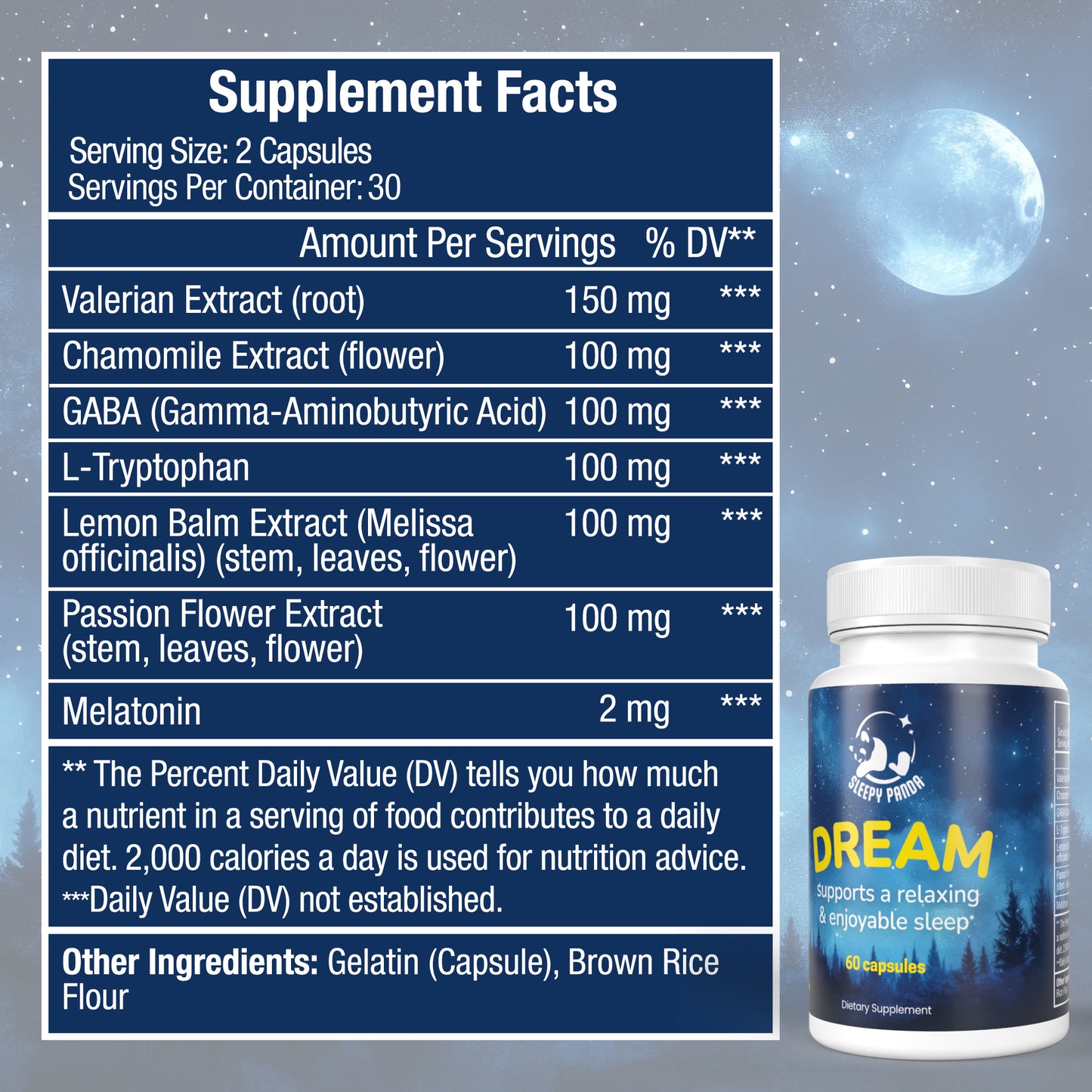
Lemon balm pairs beautifully with other calming herbs. One well-studied combination uses 80mg lemon balm with 160mg valerian, which has shown sleep quality improvements compared to placebo. You might also enjoy a gentle bedtime blend:
- 1 teaspoon dried lemon balm
- 1 teaspoon dried chamomile
- 8 ounces hot water
- Honey or lemon to taste (optional)
Lemon balm also works well alongside melatonin, magnesium, and L-theanine for those seeking additional sleep support.
Tips for making lemon balm part of your bedtime routine
Creating a consistent routine helps maximize lemon balm's benefits:
- Warm your mug with hot water before adding the herbs
- Cover the tea while steeping to preserve those valuable volatile oils
- Sip slowly 30-60 minutes before bed, taking time to enjoy the aroma
- Give it time — allow at least two weeks of consistent use before evaluating effectiveness
- Track your experience by noting sleep onset, night wakings, and morning energy levels
Keep in mind that while one cup might help with occasional sleeplessness, regular use tends to be more beneficial for ongoing sleep issues. Your sleep journey is unique to you, and finding the right approach may take some patience and experimentation.
What Should You Know About Safety and Side Effects?
Understanding the safety profile of lemon balm is just as important as knowing its benefits. While this gentle herb is generally well-tolerated by most adults, being aware of potential side effects and interactions can help you make informed decisions about your sleep routine.
Possible Side Effects You Might Experience
Most people tolerate lemon balm well, but some may experience mild side effects. When taken orally, you might notice increased appetite, nausea, vomiting, abdominal discomfort, dizziness, or wheezing. If you're using lemon balm topically, skin irritation can occasionally occur. These reactions are typically mild and temporary, though some people report headaches.
Remember, everyone's body responds differently to herbs, so pay attention to how you feel when starting lemon balm.
Important Medication Interactions to Consider
Lemon balm can affect how certain medications work in your body. It may reduce thyroid hormone levels, which is particularly important if you're managing thyroid conditions.
You should exercise caution if you're taking:
- Sedative medications (lemon balm may increase drowsiness)
- Thyroid medications (effectiveness could be reduced)
- Diabetes medications (blood sugar might drop too low)
- Alcohol (sedative effects can be enhanced)
If you're taking any of these, it's essential to consult with your healthcare provider before adding lemon balm to your routine.
Special Considerations for Children and Pregnant Women
The European Medicines Agency doesn't recommend lemon balm for children under 12 due to insufficient safety data. Pregnant and breastfeeding women should also avoid lemon balm unless specifically directed by a healthcare provider. The research on safety during pregnancy and lactation isn't thorough enough to make definitive recommendations.
How Long Can You Safely Use Lemon Balm?
Research shows lemon balm has been used safely for up to 4 months. However, there's limited information about long-term safety beyond this timeframe. If you're dealing with ongoing sleep issues, consider taking periodic breaks from lemon balm use.
Remember, while lemon balm is a natural option, natural doesn't always mean it's right for everyone. When in doubt, consulting with a healthcare professional can help you determine if lemon balm is a safe choice for your individual situation.
Final Thoughts
Lemon balm stands as a remarkable natural sleep aid backed by both centuries of traditional use and modern scientific research. Throughout this guide, we've seen how this aromatic herb works through multiple pathways in the brain and body to promote restful sleep. Additionally, clinical studies confirm what herbalists have long known—lemon balm genuinely helps improve sleep quality without the harsh side effects of pharmaceutical alternatives.
Perhaps most importantly, lemon balm addresses one of the root causes of poor sleep—anxiety and stress—rather than simply masking symptoms. This dual-action approach makes it particularly valuable for those whose racing thoughts keep them awake at night. Furthermore, its flexibility in preparation methods allows everyone to find their preferred way to incorporate it into a bedtime routine, whether as a soothing tea or convenient supplement.
Safety remains paramount when considering any sleep aid. Though generally well-tolerated, lemon balm might cause mild side effects in some individuals and could interact with certain medications. Consequently, consultation with a healthcare provider proves especially important for pregnant women, children, or anyone taking thyroid medication or sedatives.
Sleep difficulties affect nearly a third of the population at some point. Thankfully, gentle remedies like lemon balm offer a natural first step before stronger interventions. When used properly—with attention to correct timing, dosage, and consistency—this herb can become a valuable ally in your quest for better sleep.
While no sleep remedy works for everyone, lemon balm's long history and scientific validation make it worth consideration if you struggle with occasional sleeplessness or mild insomnia. After all, sometimes the most effective solutions are those that nature has provided all along.
FAQ's About Lemon Balm for Sleep
Q: How effective is lemon balm for improving sleep?
A: Studies show that lemon balm can significantly improve sleep quality. In one clinical trial, 87% of participants taking lemon balm reported better sleep compared to the placebo group. It works by calming the nervous system and promoting relaxation, making it easier to fall asleep and stay asleep.
Q: When is the best time to take lemon balm for sleep?
A: For optimal results, it's recommended to take lemon balm 30-60 minutes before bedtime. This timing allows the herb's compounds to reach peak effectiveness as you're settling down for the night, helping to ease you into a restful sleep.
Q: What are the different ways to consume lemon balm for sleep?
A: Lemon balm can be consumed in various forms. You can drink it as a tea (using 1-2 teaspoons of dried leaves per cup), take it as a supplement in capsule form (typically 300-600mg), or use liquid extracts or tinctures. The choice depends on personal preference and convenience.
Q: Are there any side effects or safety concerns with using lemon balm?
A: While generally safe for most adults, lemon balm can cause mild side effects in some people, including nausea, dizziness, and increased appetite. It may interact with certain medications, particularly thyroid medications and sedatives. It's not recommended for children under 12, pregnant women, or those breastfeeding without medical advice.
Q: Can lemon balm be combined with other sleep aids?
A: Yes, lemon balm can be effectively combined with other natural sleep aids. Popular combinations include lemon balm with valerian root or chamomile. These herbs can work synergistically to enhance sleep quality. However, it's always best to consult with a healthcare provider before combining supplements or medications for sleep.
References
https://www.psychiatryadvisor.com/features/sleep-disorders-anxiety-calmed-with-lemon-balm/
https://www.webmd.com/diet/health-benefits-lemon-balm
https://health.clevelandclinic.org/lemon-balm-benefits
https://pubmed.ncbi.nlm.nih.gov/39683592/
https://examine.com/faq/how-does-lemon-balm-benefit-anxiety-depression-and-sleep/?srsltid=AfmBOoprq8cNkiz9TXlw1FBdQlCoINhM6-An_E1j7rYKYTMrXg3X5nXN
https://sacredplantco.com/blogs/natures-pharmacy-exploring-the-historical-uses-and-health-benefits-of-medicinal-herbs/lemon-balm-vs-valerian-for-sleep-which-one-fits-your-night?srsltid=AfmBOor1giSeIZmpseBDtsHhR7XjP1QOLPYJft7yLKDuKIA9vb7Yla8i
https://chongacupuncture.com/2023/08/28/sleep-better-naturally-harness-the-healing-properties-of-lemon-balm-and-other-herbs-for-a-good-nights-rest/
https://brickhousenutrition.com/blogs/articles/lemon-balm-uses-benefits-and-dosage?srsltid=AfmBOoqFjm4NBVS3Fw4CeGcxM98lC8EIACFgIqddGhcCU7lYuXuS2K5g
https://examine.com/supplements/lemon-balm/?srsltid=AfmBOooWf1qjw7TPf7b_pYsSf9cVA8Quf7w2M7Q868mWmYPHHUlmDcrE
https://www.sleeplifemed.com/post/hypnotic-herbs-part-2-lemon-balm
https://www.drugs.com/npp/lemon-balm.html
https://www.medicinenet.com/lemon_balm/article.htm
https://www.performancelab.com/blogs/sleep/lemon-balm-side-effects?srsltid=AfmBOoqA-scUYbSNZQk0jNLniHLUktP0O_lfMbSBoZq49bLNA76WbJTx